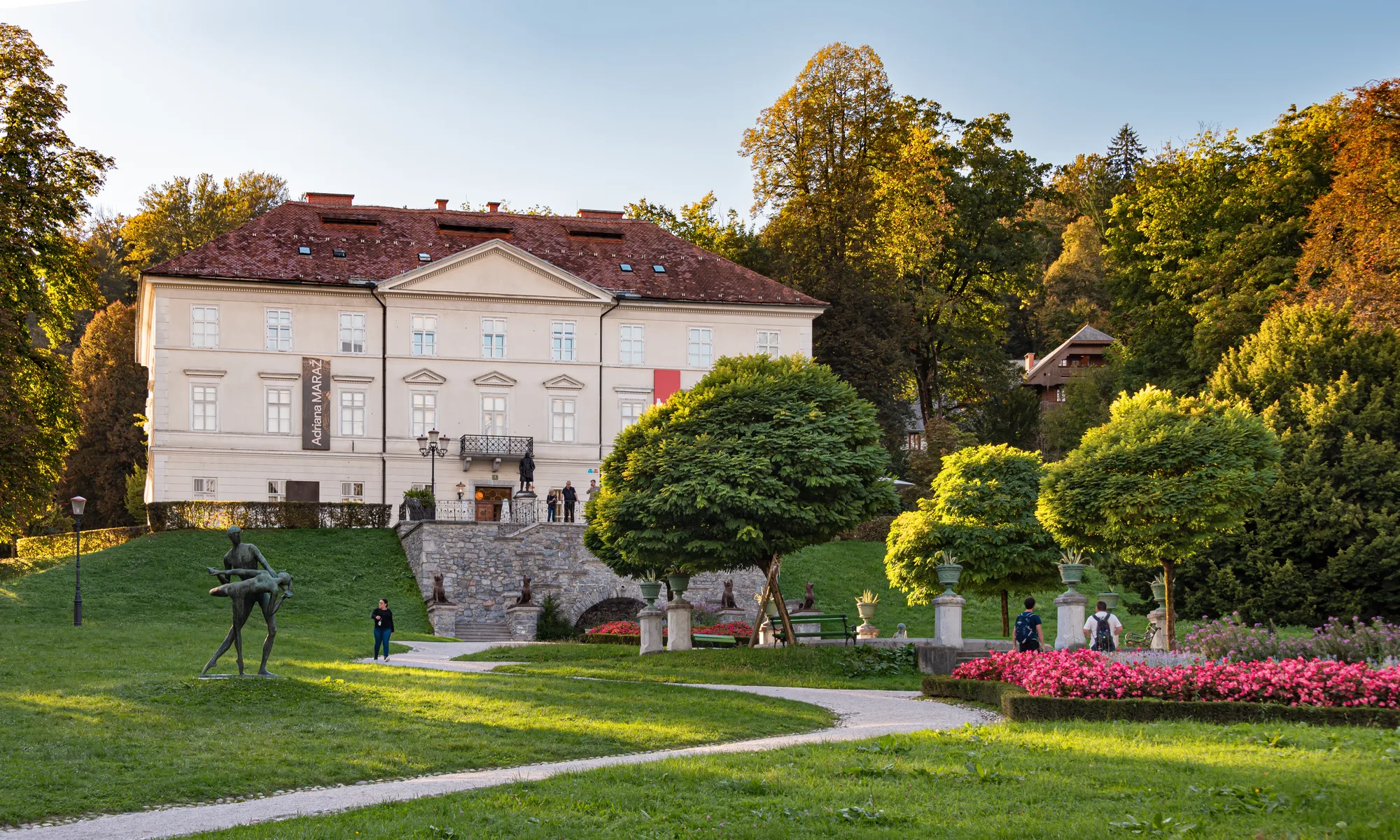
The Quick Answer
Ljubljana is enjoyable year-round, but it has two “best” moods: warm-season river life (terraces, long light, festivals) and winter coziness (lights, cafés, museums, slow walks).
If you want the most classic first visit, pick a shoulder-season week and build your days around the river, the castle, and the parks.
The honest short version: there is no bad time to come, only different versions of the city. The warm months (roughly May through September) give you the postcard Ljubljana of terraces, festivals, and long golden evenings, and they are the safest bet for a first trip. The cold months trade that for atmosphere, value, and intimacy — festive lights in December, foggy-river calm in January and February. Decide which mood you want, then use the season notes below to fine-tune the exact week, watching out for the two crowd-and-price peaks: high summer and festive December.
Ljubljana by Season
Spring (March–May)
Parks wake up, the river promenade feels fresh, and the city is walkable without heat or peak-season crowds. Great for architecture walks and café hopping.
Spring is one of the best-value, lowest-stress windows of the year. Days lengthen quickly, the Tivoli Park cherry and chestnut blossoms arrive, and the Central Market fills with the first asparagus and young greens. Weather is changeable — expect a mix of bright, mild afternoons and sudden showers — so pack layers and a compact umbrella. By May, terraces are open and the long evenings begin, giving you most of summer’s charm before the summer crowds and prices. It is also a fine time for the parks and Plečnik walks before the heat arrives.
Summer (June–August)
Terrace season. Longer days make Ljubljana feel effortless: river loops, late dinners, and festivals that keep the city lively.
This is the peak season — the most atmosphere, the most events, and the most visitors. Expect warm, sometimes humid days with the occasional dramatic afternoon thunderstorm, then balmy evenings perfect for riverside dining. July and August also coincide with the Ljubljana Festival and weekly Open Kitchen, so the city hums well into the night. The trade-offs are higher accommodation prices, busier sights, and heat in the middle of the day. A useful tactic: start early, retreat to a shady café or a park at midday, and save the river and castle for golden hour. Note that some locals decamp in August, so a few smaller restaurants and shops may take summer breaks.
Autumn (September–November)
Softer light, calmer days, and a more local rhythm. Great for food-focused trips, museums, and slow walks when the river reflections are at their best.
Many regular visitors quietly consider early autumn the best time of all. September often holds onto summer’s warmth and terrace life while the crowds thin and prices ease, and it is prime time for food: game, pumpkin and pumpkin-seed oil, wild mushrooms, chestnuts, and the new wine. Tivoli and Rožnik turn gold, and the morning mist over the Ljubljanica is genuinely cinematic. By November the weather cools and grey, foggy days become more common, which is when the city tips toward its cosy, indoor mood — a good cue to lean on museums, cafés, and long lunches.
Winter (December–February)
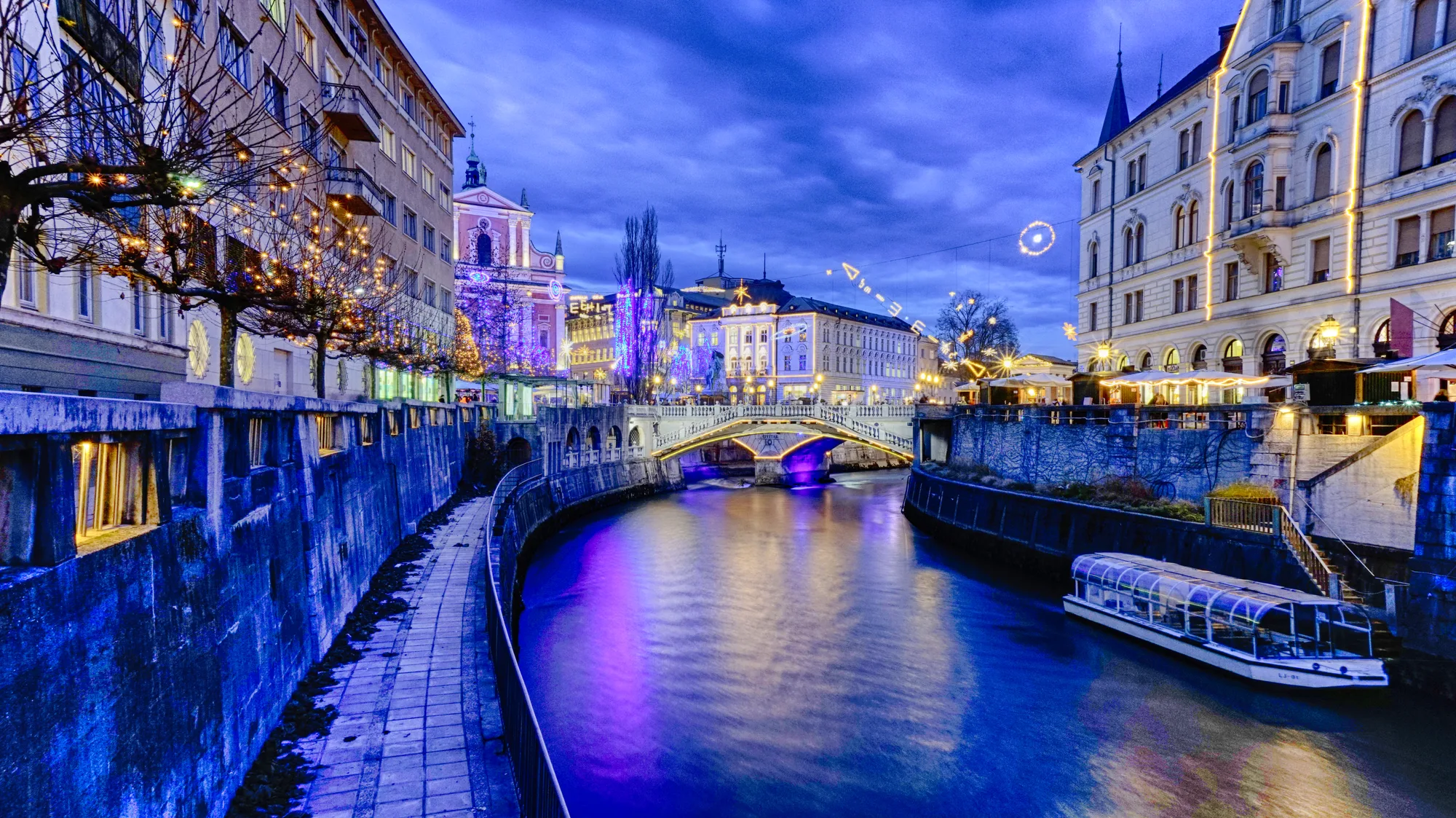
Cozy Ljubljana. Think festive lights, warm cafés, and a relaxed pace that makes the Old Town feel intimate—especially in the evenings.
Winter splits into two moods. December is the showstopper: the festive lights, the riverside Christmas markets, mulled wine, concerts, and a New Year’s buzz centred on the castle hill make it one of the most charming small-city Christmas experiences in Europe — and one of the busiest, priciest windows of the year, so book early. January and February are the opposite: quiet, affordable, and atmospheric in a different way, with fog hanging over the river and warm cafés doing their best work. Days are short and cold, the basin can sit grey under an inversion, and snow is possible but not guaranteed. Dress warmly, keep plans flexible, and lean into the indoor-and-evening rhythm.
Weather & What to Pack
Ljubljana sits in a basin ringed by hills and not far from the Alps, which gives it a proper continental climate with four distinct seasons and a fair amount of rain spread through the year. Summers are warm and can be humid, with short, sharp afternoon thunderstorms; winters are cold and often overcast, and the basin is prone to fog and temperature inversions that can trap grey weather for days. Spring and autumn are mild but changeable. The single most useful planning fact is that the weather is rarely extreme but frequently variable, so flexibility beats rigid scheduling.
Pack for layers in every season. In summer, bring light, breathable clothing plus a compact umbrella or rain jacket for the thunderstorms, sunscreen, and a refillable water bottle (the tap water is excellent and there are public fountains). In spring and autumn, add a warm mid-layer and proper shoes for cobbles that get slick when wet. In winter, bring a genuinely warm coat, hat, and waterproof footwear — and remember that the river-level damp can make the cold feel sharper than the thermometer suggests.
Whatever the forecast, keep a wet-weather plan in your back pocket. Ljubljana is compact and rich in indoor options, so a rainy afternoon is easily salvaged with a museum, a long café stop, or a gallery. Our rainy-day itinerary and museums guide are built for exactly that.
Crowds, Prices & Smart Timing
Ljubljana never feels overwhelming the way a mega-city does, but it does have clear high and low points. The busiest, priciest stretches are July–August and the festive December period, when accommodation fills and rates climb; summer weekends and major event weeks add the most day-trippers to the centre. If you want the city at its liveliest, that energy is the draw. If you want it calmer and cheaper, you have easy levers to pull.
Three reliable tactics: travel on weekdays rather than weekends; aim for the shoulder seasons (roughly April–May and September–October), when you keep most of the good weather and terrace life without the peak; and book any trip that overlaps a big festival well in advance. Even in high season, the centre empties noticeably first thing in the morning and again late in the evening, so front-loading your sightseeing and saving the river for golden hour buys you a quieter city without changing your dates.
One more lever worth knowing: because Ljubljana is so walkable and compact, you do not need to stay in the dead centre to enjoy it, and a base a short walk or bus ride out can cut costs sharply in peak periods without costing you much convenience. See best areas to stay for how to balance location, price, and season.
For a closer look at costs and how to keep them down, see is Ljubljana expensive and Ljubljana on a budget.
Pick a Season to Match Your Trip
Rather than hunting for one “best” time, match the season to the kind of trip you want:
- • First visit / classic Ljubljana: May, June, or September — terraces, long light, manageable crowds.
- • Festivals and nightlife: July–August for the Ljubljana Festival and Open Kitchen in full swing.
- • Romance: golden-hour castle visits work year-round, but autumn light and festive December are especially atmospheric — see romantic places.
- • Food and wine: early autumn for game, mushrooms, pumpkin oil, and the new vintage.
- • Markets and lights: December for the Christmas market and festive city.
- • Quiet and cheap: January–February (after the holidays) or a non-event weekday in late autumn.
- • Day trips: late spring through early autumn for the best conditions at Lake Bled, the lakes, and the coast.
Because Ljubljana works as a year-round base, your dates often matter less than how you build the days around the weather. For ready-made plans, see the weekend itinerary, the three-day itinerary, and the day-trips guide.
Festival Highlights (Official Links)
Ljubljana has a strong “small capital, big culture” calendar. For current dates and schedules, the official pages below are the handiest place to look.
The headline events cluster in summer and around the holidays: the Ljubljana Festival fills the warm months with concerts and performances; Open Kitchen runs on Fridays through the warmer season; the romance-themed LUV Fest and the MENT music-discovery festival add spring colour; and festive December brings the Christmas markets, lights, and a famously lively New Year’s Eve centred on the castle hill. Slotting a trip around one of these can make a good visit memorable — just book accommodation early, because event weeks are exactly when rooms tighten and prices rise.

Month by Month: A Quick Guide
January–February: the city’s quietest, most affordable stretch. Cold, often grey or foggy, sometimes snowy. Perfect for museums, cafés, and slow Old Town evenings with very few other tourists around.
March–April: spring stirs. Variable weather and the odd warm day, blossom in the parks, and a city shaking off winter. Prices are still gentle and the centre is uncrowded.
May: arguably the start of the sweet spot — reliably milder, long daylight, terraces open, and the river coming alive before the summer rush.
June: warm, green, and lively, with the festival season opening up but the worst of the heat and crowds not yet arrived. A strong all-round month.
July–August: peak summer. Warmest weather, the most events, the busiest centre, and the highest prices. Brilliant energy if you want it; plan around the midday heat.
September: many people’s favourite. Summer warmth lingers, crowds thin, prices ease, and the food and wine season hits its stride.
October: golden parks, crisp air, and a calm, local rhythm — ideal for walks, food, and museums, with day trips still very doable.
November: the quiet, grey shoulder. Cooler and often foggy, but cheap and atmospheric, and the festive build-up begins late in the month.
December: festive Ljubljana in full swing — lights, markets, concerts, and New Year. Magical and busy; book accommodation well ahead.
These are general patterns, not guarantees — Ljubljana’s weather is changeable from year to year, so always check the forecast close to your trip and keep a flexible indoor option ready for the days it rains.
Timing Day Trips From Ljubljana
One reason Ljubljana makes such a good base is the range of day trips within easy reach, and the best time for the city is not always the best time for them. The lakes and mountains — Lake Bled, Lake Bohinj, the Julian Alps — are at their finest from late spring through early autumn, when trails are open and the water is inviting; high summer is gorgeous but at its busiest, and shoulder season gives you the scenery with fewer people.
The caves (Postojna and Škocjan) are a reliable year-round option because they hold a steady cool temperature inside — bring a layer even in August — which also makes them a smart choice on a hot or rainy day. The coast (Piran and the Slovenian Adriatic) is loveliest from late spring to early autumn, with summer the liveliest and shoulder months the calmest.
If a day trip is the point of your visit, lean toward the warmer half of the year and keep an eye on the forecast, since mountain and lake weather can turn quickly. Browse the options in our day-trips guide, including the popular Lake Bled and Postojna Cave trips.
Best Time to Visit FAQs
What is the best time to visit Ljubljana?
Late spring through early fall is the easiest “classic” season: long evenings, riverside terraces, and a lively city vibe. Winter is also charming if you want festive lights and cozy cafés.
Is Ljubljana worth visiting in winter?
Yes. Winter is quieter and atmospheric—think festive lights, warm food, museums, and foggy river mornings. Dress for cold evenings and keep plans flexible.
When is Ljubljana most crowded?
Summer weekends and popular event weeks bring the most visitors. If you want a calmer experience, choose weekdays or shoulder-season travel when the city feels more local.
What should you plan around in Ljubljana?
If you love food and events, plan around Open Kitchen (seasonal) and major festival weeks. If you prefer calm days, plan around parks, architecture walks, and museum afternoons.
How many days should you plan for Ljubljana?
Two days is a great first visit. With three days, you can add a day trip (like Lake Bled or caves) without rushing.
What is the weather like in Ljubljana through the year?
Ljubljana has a continental climate with four distinct seasons. Summers are warm and can be humid, with afternoon thunderstorms; winters are cold, often grey, and the basin is prone to fog and temperature inversions. Spring and autumn are mild and changeable. Pack layers and rain protection in any season, and treat sunny stretches as a bonus rather than a guarantee.
Is Ljubljana rainy?
Yes, fairly — Ljubljana gets significant rainfall spread across the year, and sudden summer thunderstorms are common. This is good news for the green hills and full rivers that make the region beautiful, but it means you should always pack a compact umbrella or rain jacket and have a wet-weather plan (museums, cafés, galleries) ready.
When is the cheapest time to visit Ljubljana?
Outside the summer peak and the festive December period, prices for accommodation tend to ease. Late autumn (excluding event weeks) and the quieter winter months after the holidays are usually the most affordable, and weekdays generally beat weekends. Book ahead for any visit that overlaps a major festival, when rooms fill and rates rise.
What is the best month to visit Ljubljana?
There is no single right answer, but May, June, and September are the sweet spot for most first-timers: warm enough for terraces and river life, long daylight, and lighter crowds than peak July and August. December is the standout if you specifically want festive lights and markets. Choose based on the experience you want rather than chasing a “perfect” month.
Whenever you come, two days is plenty for a satisfying first taste of the city, and a third unlocks a day trip without rushing. Pair your dates with the right itinerary below, and let the season shape the details — terraces and river loops in summer, museums and café afternoons in winter.
Next Step: Pick Your Trip Style
Next reads Pair this page


