Why Plečnik Matters
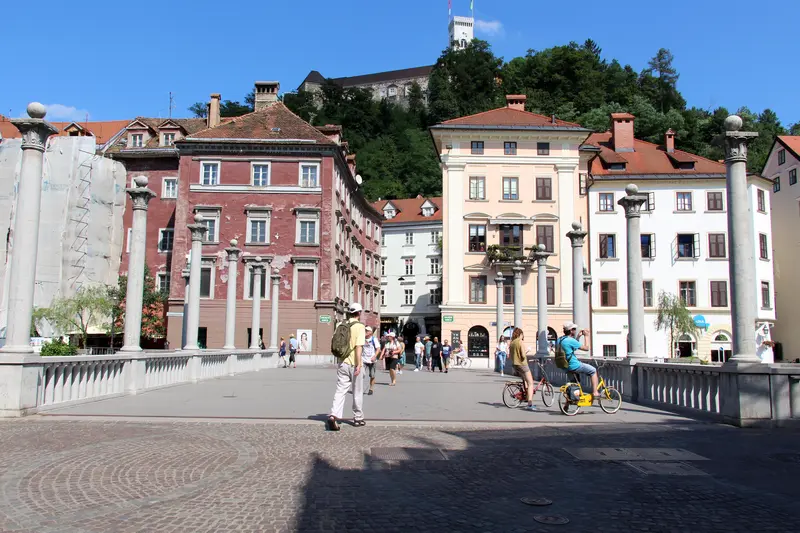
Ljubljana feels unusually comfortable to explore on foot, and a lot of that comes down to one name: Jože Plečnik. His work isn’t only “pretty buildings”—it’s the kind of design that shapes how a city moves, pauses, meets, and breathes.
Think bridges that behave like small plazas, river embankments made for strolling, and details that guide your eye without shouting. Even if you don’t know architecture, you’ll feel it.

Map: Plečnik “Walkable” Highlights
Start with the river-core sites, then add Mirje or Žale when you want calmer places with more depth.
Who Was Jože Plečnik?
Jože Plečnik (1872–1957) is the single most important figure in the look and feel of modern Ljubljana. Born in the city, he trained in Vienna under the influential architect Otto Wagner and built an international reputation with major projects in Vienna and then in Prague, where he worked on the renovation of Prague Castle. When he returned to his home city in the 1920s, he turned his full attention to reshaping it.
What sets Plečnik apart is that he didn’t just design individual landmark buildings — he designed the spaces between them. Over three decades he reworked the river embankments, bridges, squares, parks, markets, and key public buildings into a connected whole, all at a deliberately human scale. His style is hard to pin to a single movement: he drew freely on classical columns and forms, folk motifs, and his own inventive details, producing work that feels timeless rather than tied to one era.
The result is a capital that feels coherent and personal in a way few cities do. Whether you’re crossing the Triple Bridge, browsing the Central Marketcolonnade, or sitting in Congress Square, you’re moving through one architect’s vision for how a city should be lived in. There’s even a dedicated Plečnik House museum in the Trnovo district — his former home and studio — for anyone who wants to go deeper.
UNESCO Context (Why This Is a Big Deal)
In 2021, a set of works by Plečnik in Ljubljana was inscribed as UNESCO World Heritage under the title Works of Jože Plečnik in Ljubljana – Human Centred Urban Design. The key idea is simple: these are not “monuments you look at,” but public spaces that make everyday city life feel dignified, walkable, and beautiful.
The UNESCO property describes two main “axes” you can follow on foot: a land axis of squares, streets, and parks, and a water axis along the Ljubljanica embankments and bridges.
Land Axis (Squares + Streets)
Connects Trnovo Bridge through the city’s civic heart (Congress Square and Zvezda Park), with key design moments like the National and University Library (NUK) and the elegant street sequence that ties it together.
Water Axis (River + Bridges)
Runs along the Ljubljanica: embankments designed for strolling, bridges treated like small plazas, and “infrastructure” shaped into a public experience rather than a barrier.
Official Links (Best Starting Points)
These official pages are useful for background, locations, and practical visitor notes as you build a Plečnik walk.
The Essentials (Start Here)
1) Triple Bridge + Prešeren Square
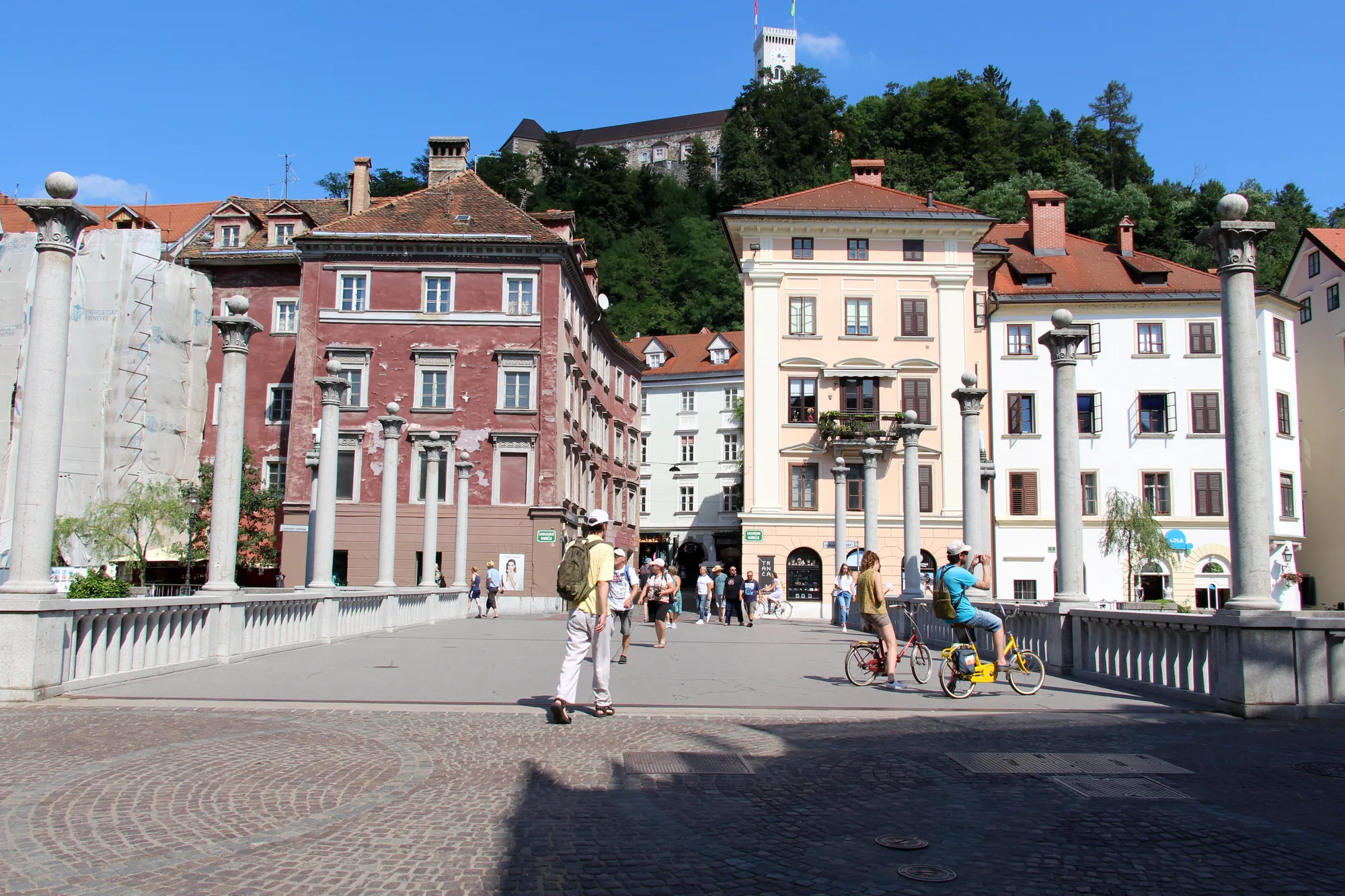
The city’s iconic crossing—and a perfect example of Plečnik’s ability to turn infrastructure into a “place.” Go twice: once in the morning, once at golden hour.
2) Central Market Colonnade
One of the best “walkable landmarks” in Ljubljana. Pair it with a market browse and a riverside coffee.
3) Trnovo Bridge
A bridge that feels like a small public square—classic Plečnik: practical, poetic, and quietly social.
4) NUK (National and University Library)
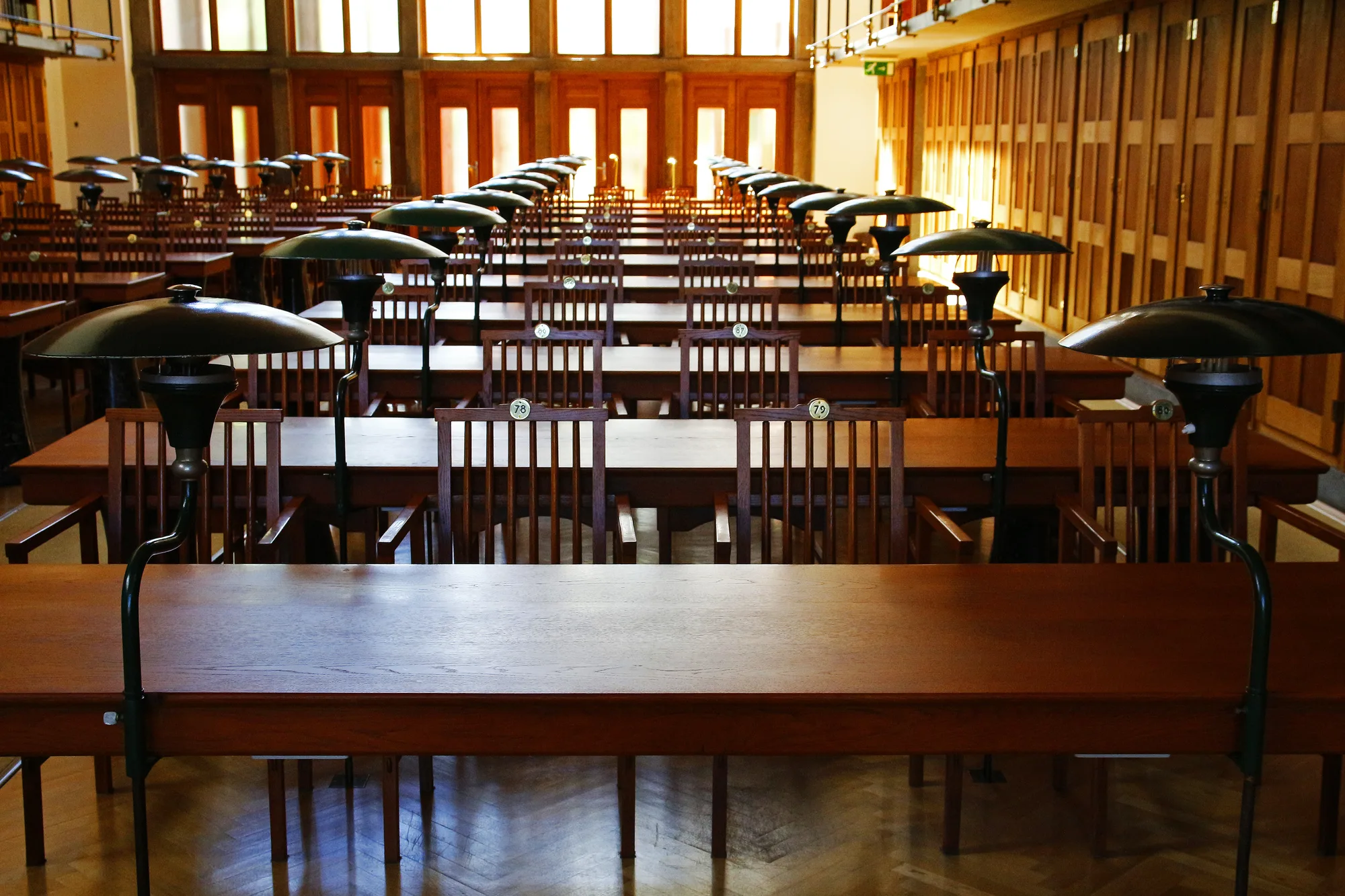
One of Plečnik’s most famous buildings. Even if you don’t go inside, the exterior details and the surrounding streets are worth a slow look.
5) Roman Walls at Mirje + Žale Cemetery
Two powerful sites that show how Plečnik treated history with respect and design with restraint—excellent for travelers who like places with depth (and fewer crowds).
6) Two “Out-of-Centre” Stops (If You’re Serious)
For a deeper Plečnik day, add one suburb site: the Church of St Michael (Črna vas) or the Church of St Francis of Assisi (Šiška). These show how his “human-centred” approach extends beyond the postcard center.
A Self‑Guided Walking Route
This is an easy, city-friendly route that strings together major Plečnik moments without feeling like homework. Do it at a slow pace and add café stops.
- 1. Prešeren Square → Triple Bridge
- 2. Riverside walk to the Central Market colonnade
- 3. Continue along the river embankments and cross a few bridges to vary perspectives
- 4. Head toward NUK and Congress Square (land-axis sequence)
- 5. Optional extension: Roman Walls at Mirje
- 6. Optional extension: Žale Cemetery (best with extra time)
Tip: The “best” Plečnik experience is repeating viewpoints—cross the same bridge at different times of day.
How to See More (Without Trying)
- • Walk both sides of the Ljubljanica, then cross a bridge every few minutes
- • Combine architecture with food: market → colonnade → riverside coffee
- • Add one “quiet” site (Mirje or Žale) for contrast with the center
- • Don’t rush: Plečnik’s genius is in proportions and small details
Plečnik Architecture FAQs
What is Plečnik famous for in Ljubljana?
Plečnik shaped how Ljubljana feels at walking pace: bridges as social spaces, river embankments made for strolling, and civic sequences that connect squares, parks, and streets into a coherent experience.
What should you see first if you only have 2 hours?
Start with the Triple Bridge and the Central Market colonnade, then walk the river and cross a few bridges for changing perspectives. Add a quick NUK exterior look if you’re nearby.
Is Plečnik’s Ljubljana a UNESCO World Heritage site?
Yes—selected works were inscribed as UNESCO World Heritage in 2021 under the title “Works of Jože Plečnik in Ljubljana – Human Centred Urban Design.”
Do you need a guided tour to appreciate Plečnik?
Not necessarily. A self-guided river-and-squares walk works well—focus on proportions, how spaces feel, and how bridges and embankments invite you to pause.
What are the best quieter Plečnik sites?
For a calmer “deep” day, add the Roman Wall park at Mirje or Žale Cemetery—both are rich in design detail and usually less crowded than the river core.
Who was Jože Plečnik?
Jože Plečnik (1872–1957) was a Slovenian architect who trained in Vienna and worked in Vienna and Prague before returning to his home city. From the 1920s onward he reshaped much of Ljubljana, designing bridges, embankments, squares, the National and University Library, market buildings, and Žale cemetery. His distinctive blend of classical forms and personal invention defines the look of the modern city.
Can you go inside the Plečnik sites?
Many are public outdoor spaces—bridges, embankments, squares—that are always free to walk through. For interiors like the National and University Library (NUK), access may be limited to certain areas or hours. There is also a dedicated Plečnik House museum in the Trnovo district, his former home and studio, which you can tour. Check current hours before visiting any interior.
How long should you give a Plečnik walk?
The river-core essentials—Triple Bridge, the market colonnade, NUK, and Congress Square—make a relaxed two- to three-hour stroll with café stops. Adding the quieter outer sites like the Roman Wall at Mirje or Žale Cemetery turns it into a half- or full-day, depending on how slowly you like to move.
Next reads Pair this page