
The Honest Answer
Ljubljana is small enough to feel easy and big enough to feel like a real capital. You can hit highlights quickly—but the city’s best moments usually happen between plans: a riverside table you didn’t expect, a bridge you cross five times, a park break that becomes an hour.
If you can choose: stay two nights. It’s the perfect balance of “I saw the city” and “I actually felt the city.”
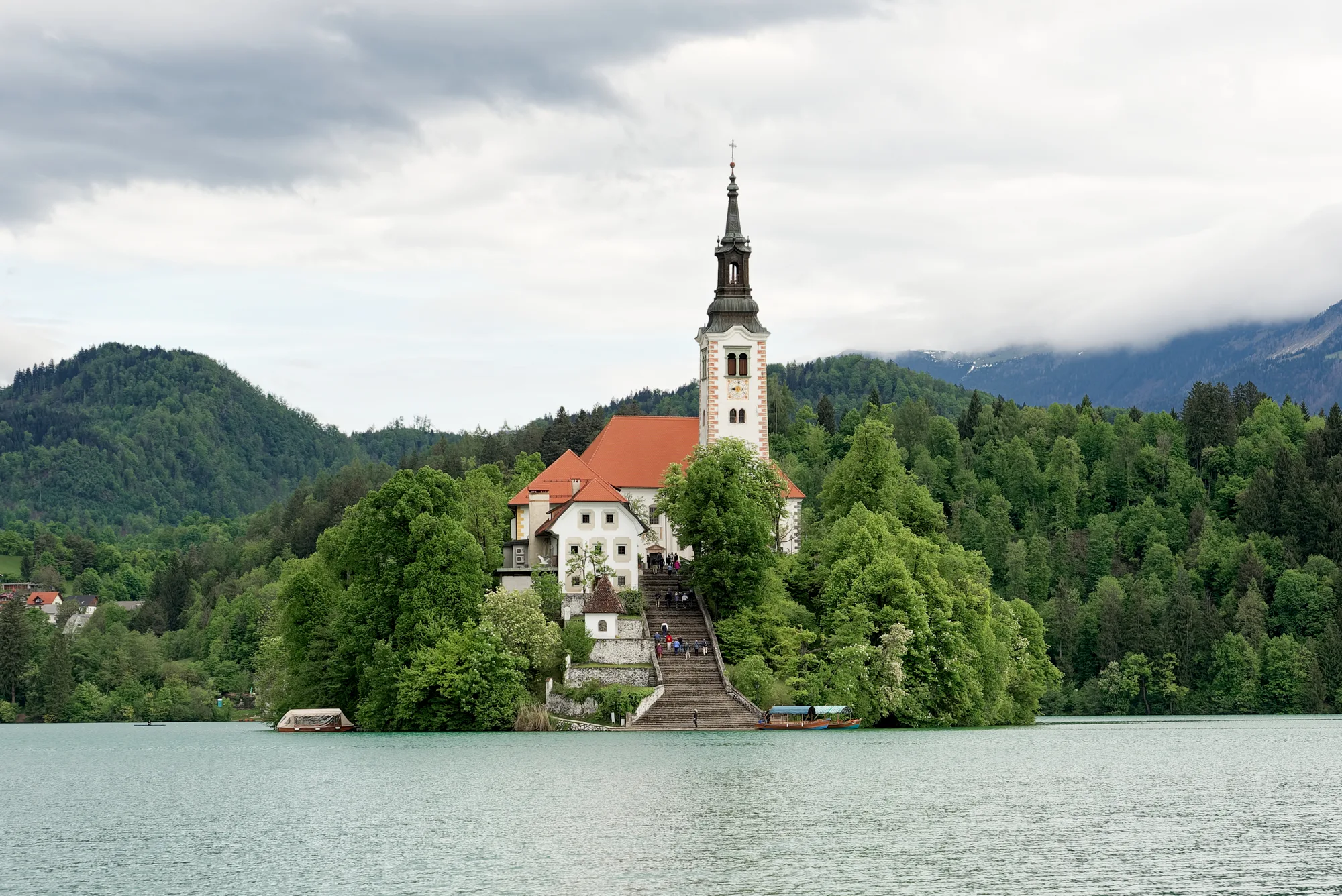
If You Only Have 1 Day
Build your day around the river: Old Town loop → market → castle viewpoint → bridges at night. Keep it tight and scenic, and you’ll leave with the “Ljubljana feeling.”
2 Days (The Sweet Spot)
Day 1: Classic Ljubljana
Old Town + river + castle. Do the postcard loop, then slow down into the evening.
Day 2: Green + Culture
Tivoli Park reset, a museum block, and a neighborhood wander that isn’t “must-see” but becomes a memory.
Why Ljubljana’s Size Changes the Maths
Most “how many days” questions are really questions about distances, and that’s where Ljubljana is unusual. The whole sightseeing core fits inside a tight loop along the Ljubljanica river: Prešeren Square, the Triple Bridge, the Central Market, the cathedral, and the funicular up to the castle are all within a few minutes’ walk of one another. There’s no commute baked into your day, no metro to learn, no district-hopping. That single fact is why you can “see” Ljubljana in less time than a sprawling capital — and also why it’s worth giving the city more time than its checklist suggests.
In a bigger city, an extra day buys you another neighbourhood you’d otherwise miss. In Ljubljana, an extra day mostly buys you depth: a second coffee in a better café, a longer wander through Tivoli Park, an unhurried museum, a slow dinner by the water instead of a quick bite between sights. The city’s pleasures are cumulative rather than additive — they reward repetition, not coverage.
So the honest framing is this: one day shows you the postcard, two days let you feel the rhythm, and three or more turn Ljubljana into a relaxed base for the rest of Slovenia. Match your stay to which of those you actually want, not to a generic “must-see” count.
How Season Affects Your Days
The same number of days feels different depending on when you visit. In summer, long daylight stretches your evenings — golden hour comes late, the riverside terraces stay busy, and an outdoor castle visit or a Tivoli stroll can happen well after dinner. That extra usable light effectively gives you “more day” per day, so two nights in July can feel as full as three in winter.
In winter the light fades early and some attractions keep shorter hours, so it’s worth front-loading outdoor plans into the afternoon and leaning on cafés, museums, and the festive market atmosphere after dark. Shoulder seasons — late spring and early autumn — are arguably the sweet spot: mild weather, manageable crowds, and enough daylight to do a city day and a day trip back to back without feeling stretched. Check the best time to visit if your dates are still flexible.
Weather also shapes how you should plan a day trip. A clear forecast is the cue to spend a precious day on the lakes or mountains; a grey one is a sign to keep things in town, where the market arcades, museums, and café culture carry the day regardless of the sky.

3+ Days (Add One Big Day Trip)
With three days, you can keep Ljubljana slow and still add a highlight outside the city. The best move is to pick one big day trip (lake, cave, or coast), then give yourself a recovery evening back in Ljubljana.
How Many Days FAQs
Is Ljubljana a 1-day city?
You can see the highlights in one day, but Ljubljana’s charm is pace. If you can, stay at least two nights so you can enjoy the river, cafés, and parks without rushing.
How many days do you really need?
Two nights is the sweet spot for most first-time visitors. Add a third day if you want museums, neighborhoods, or a relaxed day trip without squeezing your schedule.
What’s the best length for a first visit?
A weekend (48 hours) is perfect: one classic Old Town/castle day and one slower day for Tivoli, museums, and local neighborhoods.
Can you use Ljubljana as a base for Slovenia?
Yes—Ljubljana is well-positioned for lakes, caves, and the coast. The key is to pick one “big” day trip and keep your other days in the city slow.
Should you do day trips or stay in Ljubljana?
Do both, but don’t overdo it. Ljubljana rewards unplanned time; day trips are best as one intentional highlight rather than something you squeeze into every day.
Is half a day enough for Ljubljana?
It can work as a stopover: the centre is compact, so in a few hours you can walk Prešeren Square, the Triple Bridge, the market, and ride the funicular up to the castle viewpoint. You’ll get the look of the city, but not its pace — the cafés, the slow river evenings, and the parks are what make people want to stay.
How many days do you need with kids?
Two nights is comfortable for families. The short walking distances mean you can pair one classic day (Old Town and the castle funicular) with a slower park-and-play day in Tivoli, with time to head back to your accommodation for a break in between.
Is 4 days too many in Ljubljana?
Not if you use the city as a base. Four days lets you keep two or three days slow in town and still add a couple of day trips — a lake, the caves, or the coast — without rushing or backtracking. The compact centre means you never lose time getting around.
One Last Planning Trick
Pick one “anchor” each day (castle, museum, day trip) and keep the rest flexible. Ljubljana is at its best when your schedule has room for coffee and light.
Next reads Pair this page


