Top 10 Must-See Attractions
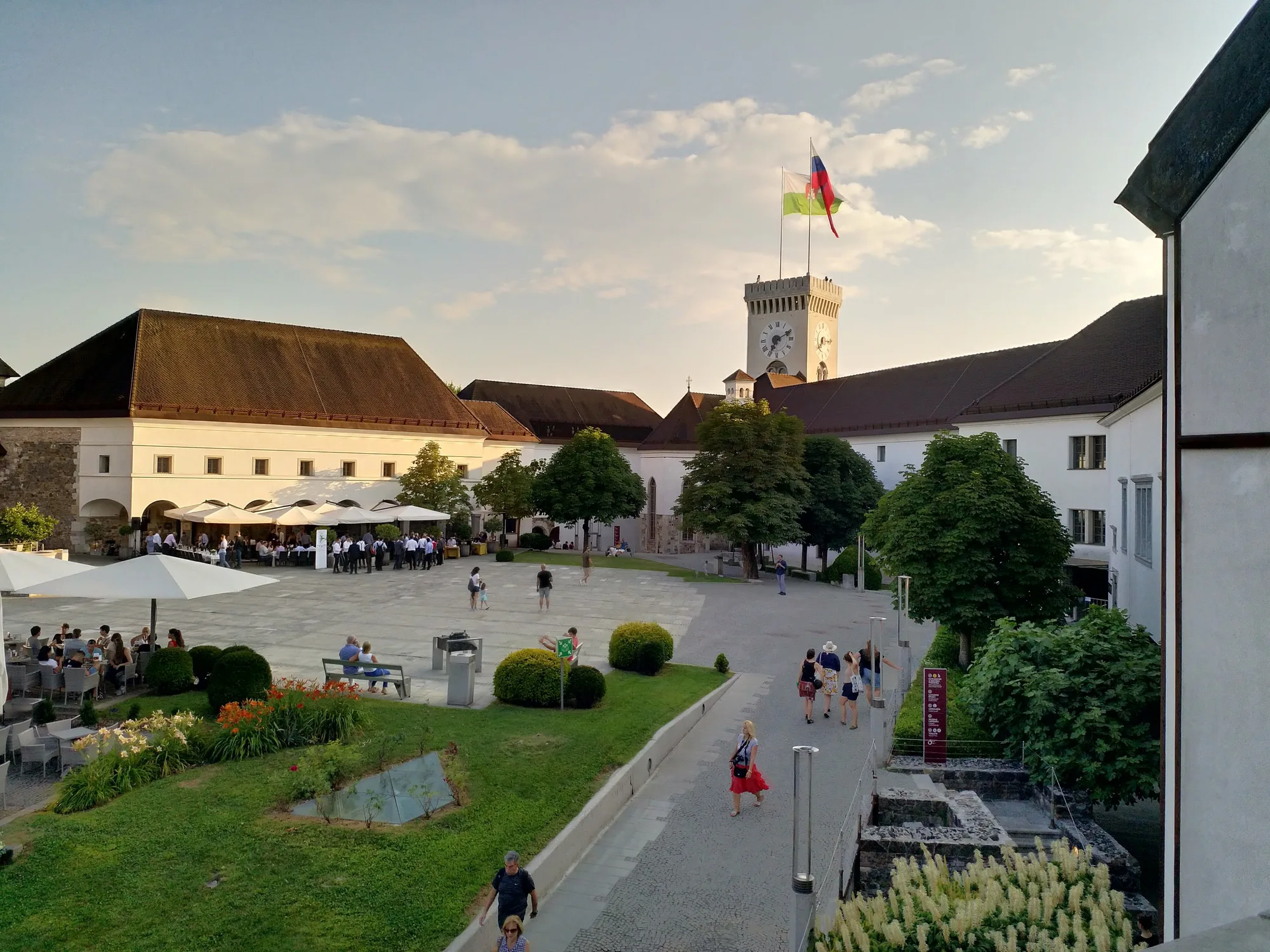
- 1. Ljubljana Castle: The city’s signature viewpoint and easiest “first day” win
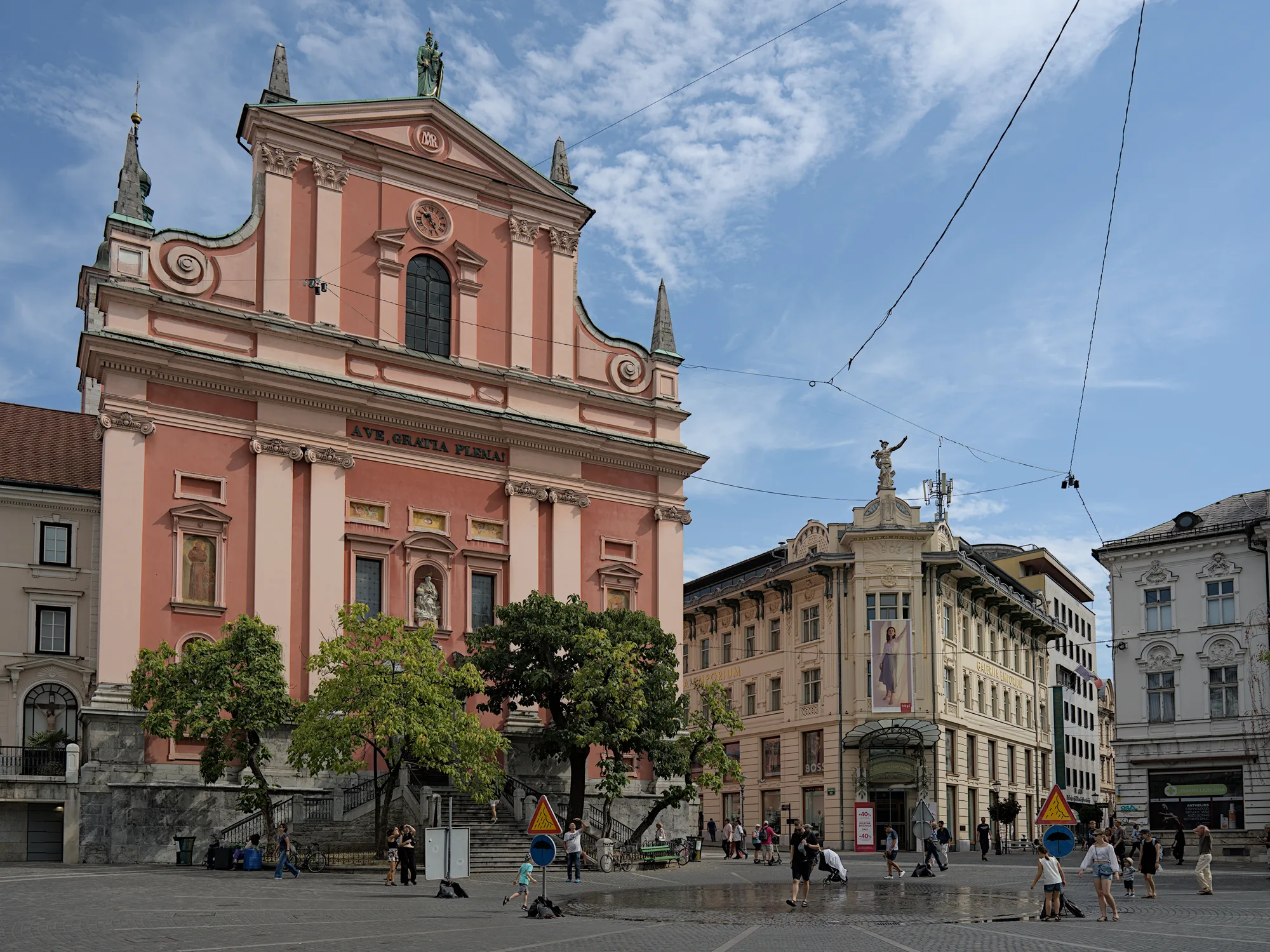
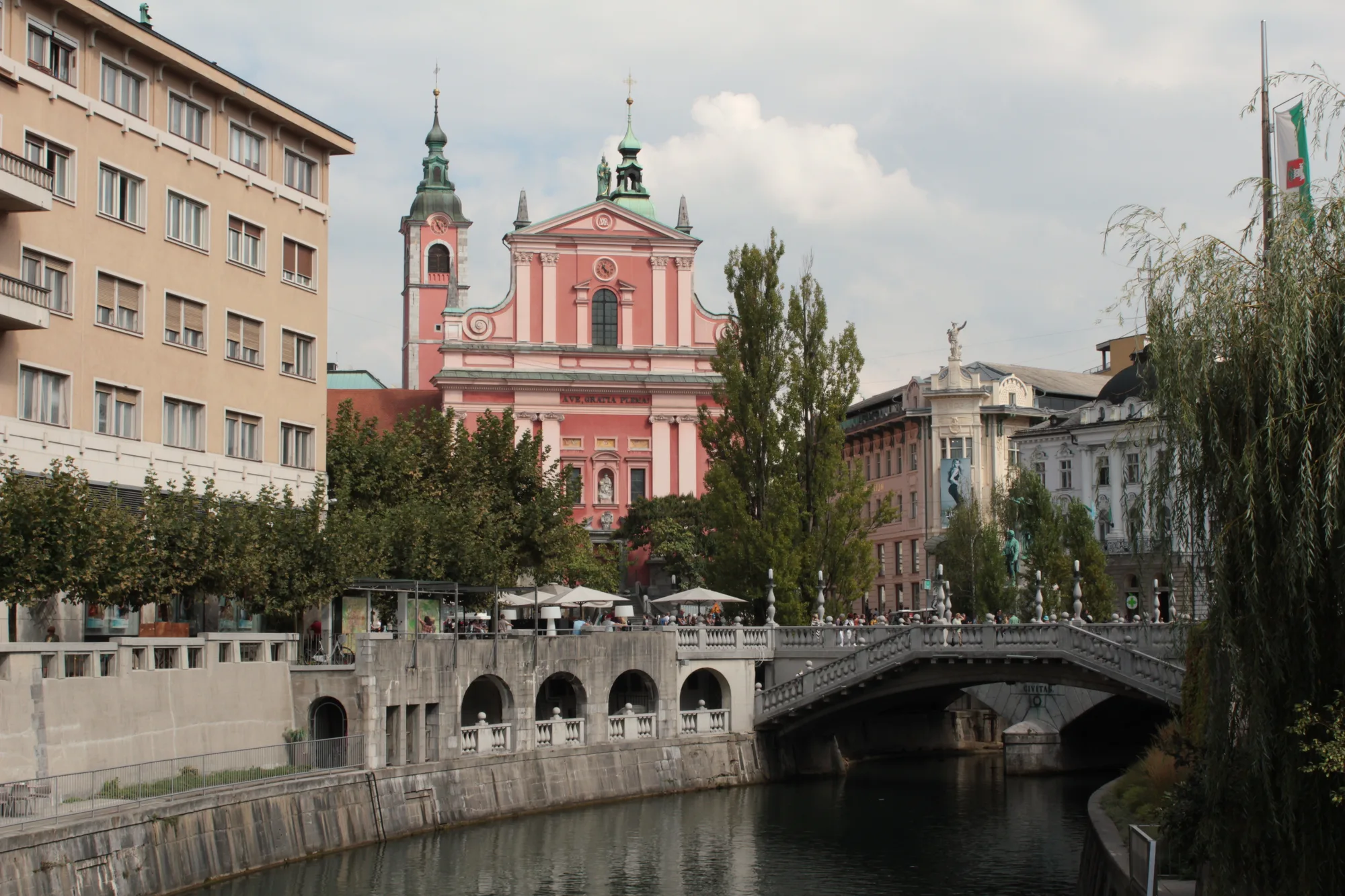
- 2. Prešeren Square: The social heart of the center and your best starting point
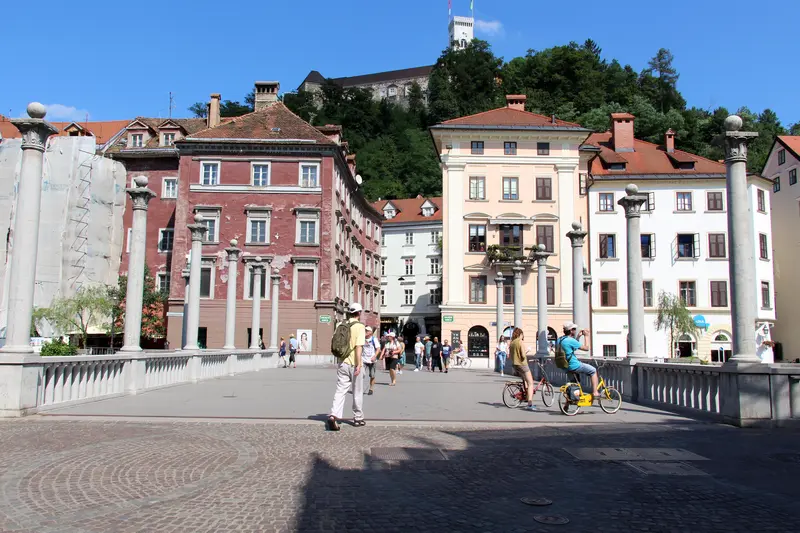
- 3. Triple Bridge: Iconic bridges + a perfect photo angle over the river
- 4. Dragon Bridge: Ljubljana’s most famous creature cameo (and a great quick stop)
- 5. Central Market: Local food culture in one walkable, browseable place
- 6. Tivoli Park: Green space, promenades, and an easy “slow afternoon” plan
- 7. Plečnik Architecture: Human-scale design details you’ll notice everywhere
- 8. Metelkova: Alternative culture and street art (especially interesting by day)
- 9. Nebotičnik View: Rooftop perspective over rooftops and Castle Hill
- 10. Day Trip Option: Lake Bled, caves, or the coast if you have an extra day
A Perfect “First Day” Plan
If you want Ljubljana to feel easy from the first hour, build your day around the river. It’s the city’s natural orientation line, and most “must-see” moments connect to it.
- 1. Start at Prešeren Square → cross the Triple Bridge.
- 2. Walk along the Ljubljanica to the Central Market arcades for a browse + snack.
- 3. Detour to Dragon Bridge for the iconic photo.
- 4. Go up to Ljubljana Castle (funicular or short hike) for views.
- 5. Walk down slowly → pick a riverside terrace for dinner and finish with a bridge loop at night.
Practical Information
Getting Around
Ljubljana’s core is famously walkable, with a largely pedestrian city centre. Most visitors can do the main sights on foot and use transit only for specific neighborhoods, museums, or day trips.
- • Free electric rides in the centre: Ljubljana’s Kavalir electric vehicles operate in the pedestrian zone (availability and routes vary).
- • Bike sharing: BicikeLJ is a city bike system with stations across Ljubljana—perfect for Tivoli, Šiška, and quick cross-town hops.
- • City buses: Ljubljana buses use the Urbana system; check current ticketing options before your trip.
Arriving (Airport, Train, Bus)
For most visitors, the goal is simple: get into the centre, drop your bag, and start walking. If you’re flying into Ljubljana Airport (LJU), choose the easiest transfer option that fits your arrival time—especially for late flights.
Language
Primary language: Slovenian. In the center, English is widely spoken, and many people also understand German/Italian.
Money
Currency: Euro (€). Cards are widely accepted and ATMs are easy to find. Tipping is appreciated but not mandatory— rounding up is common for casual places.
Best Time to Visit
Summer (Jun–Aug): Festival season, long evenings by the river
Spring (Mar–May): Market mornings, parks waking up, pleasant walking weather
Fall (Sep–Nov): Crisp air, fewer crowds, great food season
Winter (Dec–Feb): Festive lights, cozy cafés, museum afternoons
Safety & Etiquette
Ljubljana is generally very safe. Use normal big-city awareness at night, especially around nightlife areas. A polite greeting goes a long way, and slow, respectful tourism is always appreciated.
What to Book vs. What to Keep Spontaneous
Book Ahead
- • Castle dining or fine dining on weekends
- • Popular day trips (caves, coast) if your schedule is tight
- • Special exhibitions or festival events during peak season
Keep Flexible
- • Riverside café stops (choose by mood and light)
- • Old Town wandering and bridge loops
- • Tivoli walks—go when you need a reset
Common Mistakes to Avoid
- • Trying to “do it all” in one day—Ljubljana is best at a slower pace
- • Skipping the castle hill (the view is worth it)
- • Only seeing the riverfront—add Tivoli, Trnovo/Krakovo, or Šiška for balance
- • Not checking festival/market schedules if you’re timing a visit around events
- • Treating day trips as afterthoughts—plan one early if you have an extra day
- • Missing Plečnik’s details (bridges, colonnades, small design moments)
- • Over-scheduling evenings—leave room for a spontaneous riverside dinner
How to Orient Yourself Fast
The good news for first-timers is that Ljubljana is one of the easiest European capitals to read. The centre is small, largely pedestrian, and built around a single, very legible feature: the Ljubljanica river. Within an hour of arriving you can have the whole layout in your head, which means less time staring at a map and more time enjoying the city.
Make Prešeren Square your mental anchor. It sits at the heart of the centre, beside the Triple Bridge, with the pink Franciscan Church behind it—you will pass through it constantly, so it makes a perfect reference point. From there, the castle hill rises to the south, the Old Town curves along the river's eastern bank, and the shops, cafés, and squares of the modern centre spread to the north and west toward Tivoli Park. Once you can place those four things, you are oriented.
On your first walk, don't aim for any particular sight—just follow the river, cross a few bridges, and let yourself loop back. The compactness means you can't really get lost, and that first aimless wander does more for your sense of the city than any guidebook route. For a structured introduction, our one day in Ljubljana plan strings the essentials into a single easy loop.
Understanding the Layout (River as Compass)
If you remember one thing about navigating Ljubljana, make it this: the Ljubljanica is your compass. The river loops around the foot of Castle Hill and threads through the centre, and almost everything a first-time visitor wants to see clings to its banks. The Old Town lines the eastern, castle side; the squares and shopping streets sit on the western side; and the famous bridges—the Triple Bridge, the Dragon Bridge, the Cobblers' Bridge, and Plečnik's elegant designs—are the seams that stitch the two sides together.
Use the bridges as checkpoints. The Triple Bridge marks the centre at Prešeren Square; the Dragon Bridge marks the northern edge of the Old Town near the Central Market; downstream, Plečnik's designs carry you past leafier stretches toward Trnovo and Krakovo. As long as you know which bank you're on and which bridge you last crossed, you always know where you are. Walk the river in one direction in the morning and the other in the evening, and you will see two completely different cities along the same water.
Beyond the river, the geography is simple: Castle Hill to the south for views, Tivoli Park to the northwest for green space, and the alternative-culture zone of Metelkova a short walk northeast near a cluster of museums. Our guides to the Ljubljanica river, the Old Town, and getting around Ljubljana fill in the practical detail.
How Much Will It Cost (Rough Budgeting)
Ljubljana is generally gentler on the wallet than Western European capitals, but like any popular city centre, the prices right on the touristy riverside run higher than those a few streets back. The currency is the Euro, cards are accepted almost everywhere, and ATMs are easy to find, so day-to-day spending is straightforward. Rates move with the season and demand, so treat any specific numbers you see online as a friendly guide rather than a fixed quote.
You can flex your budget a lot depending on style. On the lean end, bakery breakfasts, Central Market and supermarket lunches, free walking along the river, and the city's parks cost almost nothing, while a casual dinner away from the prime riverfront stays reasonable. On the comfortable end, riverside terraces, the castle's dining and funicular, special exhibitions, and organised day trips add up faster. A useful mental model is to keep most of your day low-cost and free, then spend deliberately on one or two experiences you really want.
Tipping is appreciated but not obligatory; rounding up the bill or leaving a small amount for good service is normal in casual places. If you plan to visit several paid attractions and use transit, look into the Ljubljana Card, which bundles entries and transport—work out whether your planned sights add up to more than its price before buying. Verify what it currently includes on the official site.
When to Visit & What the Seasons Feel Like
There is no truly bad time to visit Ljubljana—only different moods. The city sits in a continental climate with warm summers and cool, sometimes snowy winters, and each season changes the feel of the riverside dramatically. Your choice comes down to how much you mind crowds and what kind of atmosphere you are after.
Summer is the city at its liveliest: long evenings, packed riverside terraces, open-air events, and festival energy, but also the most visitors and the highest prices. Spring and autumn are arguably the sweet spots—mild walking weather, the parks at their best, fewer crowds, and, in autumn, a wonderful food season. Winter trades the buzz for cosiness: festive lights along the river in December, quiet museum afternoons, and warm cafés, with the upside of low-season calm. Each season also shifts opening hours and what is running, so it is worth a quick look at the day’s timings when you plan.
Whenever you come, pack layers and comfortable shoes for the cobbles, and bring something waterproof—rain can arrive in any season. For a fuller breakdown of festivals, weather, and what to expect month by month, see our guide to the best time to visit Ljubljana.
Food Culture for First-Timers (What to Try)
Slovenian food surprises a lot of first-time visitors. The country sits where Alpine, Mediterranean, and Central European traditions meet, so the cooking borrows freely from all three: hearty mountain stews and sausages, fresh seafood and olive oil from the nearby Adriatic, and the dumplings and strudels of its Habsburg past. The result is varied, seasonal, and best approached with curiosity rather than a checklist.
Start at the Central Market to read the season—whatever is piled high on the stalls is what to eat that week. From there, look out for local staples: štruklji (rolled dumplings, sweet or savoury), hearty soups and stews, cured meats and cheeses, and pastries that lean toward the Central European. In the warmer months, keep an eye out for the open-air food market that runs in the centre on Fridays in season, a relaxed, low-commitment way to graze across local and international stalls—check whether it is on during your visit.
Coffee culture is strong, so build in slow café mornings, and Slovenia's small but excellent wine regions mean a good glass is never far away. The prime riverside terraces charge for their setting; venture a street or two back for better value and a more local feel. For specific picks, see our guides to the best restaurants, best cafés, and best bars in Ljubljana.
Day-Trip Decisions for First Visits
One of Ljubljana's quiet superpowers is its location: an extraordinary range of Slovenian landscapes sits within easy reach, so even a first visit can include a memorable day out. The trick is restraint—pick one day trip, do it properly, and resist trying to combine two into a single rushed day.
The classic first-timer choice is Lake Bled, roughly 55 kilometres northwest and about forty to fifty minutes by car, with its island church and clifftop castle. For something quieter and more alpine, Lake Bohinj lies further into the mountains. If you want drama, the caves deliver: Postojna with its train ride through vast caverns, or the UNESCO-listed Škocjan system with its underground canyon. And for sea air, the Venetian-flavoured coastal town of Piran rounds out the options. All are doable by tour or public transport, so you needn't rent a car just for one outing.
Plan your day trip around the return so you are back in the city for a final riverside evening, and confirm current schedules and ticket times before you go—the caves in particular often need timed entries. Our Lake Bled day trip and full day trips from Ljubljana guides go deeper on each option.
Accessibility & Family Notes
Ljubljana is an easy city to travel with children and a generally manageable one for visitors with mobility needs, though a little planning helps. The flat riverside core, the largely traffic-free centre, and the short distances mean you spend less time managing logistics and more time enjoying the city—a big plus when you are travelling with little ones.
For families, the obvious wins are the funicular up to the castle (no climb required), Tivoli Park for open running-around space, the river and its bridges, and the colour and bustle of the Central Market. The relaxed pace of the city suits family rhythms—plan slower mornings, build in park time, and you will rarely feel rushed. The free electric Kavalir vehicles that potter through the pedestrian zone can also be a fun, useful way to cover the centre with tired legs, though routes and availability vary.
On accessibility, the paved riverside promenades and squares are mostly smooth and level, but the Old Town's cobbles and the steep approach to the castle can be challenging—use the funicular for the castle and favour the main paved routes. Step-free access varies by venue and some historic buildings have limitations, so it is worth a quick word with individual sites if that matters to you. For more on moving around, see our getting around Ljubljana guide.
Quick Slovenian Phrases & Etiquette
You don't need Slovenian to get by—English is widely spoken in the centre, and many people also understand German and Italian—but a handful of local words is always warmly received and sets a friendly tone. Slovenians tend to be polite, low-key, and proud of their city, and a little effort and courtesy goes a long way.
- • Dober dan — Good day / hello
- • Živjo — Hi (informal)
- • Hvala — Thank you
- • Prosim — Please / you're welcome
- • Oprostite — Excuse me / sorry
- • Nasvidenje — Goodbye
- • Govorite angleško? — Do you speak English?
On etiquette, a few simple habits help: greet staff when you enter smaller shops and cafés, keep your voice down in restaurants and on transit, and remember that the slow, unhurried pace is part of the culture, not a sign of poor service. Ljubljana takes pride in being green and walkable—it was named European Green Capital in 2016—so respecting the pedestrian zones and keeping the city tidy is appreciated. Travel gently and you will find locals meet you more than halfway.
First Time FAQs
Is Ljubljana walkable?
Yes—Ljubljana’s center is compact and pedestrian-friendly. If you stay near the Old Town/riverside core, you can walk to most highlights with minimal planning.
How many days should you spend in Ljubljana?
Two days is a great first visit for Old Town, the river, the castle, and Tivoli. With a third day, you can add museums, neighborhoods, or one day trip without rushing.
Where should first-time visitors stay?
Old Town and the riverside core are the easiest base for first-timers because you can walk to bridges, cafés, restaurants, and Castle Hill.
Do you need a car in Ljubljana?
Not for the city center. A car can help for certain day trips, but Ljubljana itself is designed for walking, biking, and short rides.
What’s the best “first day” plan?
Start at Prešeren Square, cross the Triple Bridge, browse the Central Market, stop at Dragon Bridge, go up to Ljubljana Castle, then finish with a riverside dinner and a bridge loop at night.
Is Ljubljana expensive for first-time visitors?
Ljubljana is generally more affordable than Western European capitals, though the central, touristy riverside spots cost more than neighbourhood places a few streets back. You can keep costs down with bakery and market lunches, free walking along the river, and parks; you can spend more on fine dining, the castle (€15, or €19 with the funicular), and organised day trips. Prices do edge up over time, so treat any figures as a friendly guide.
Do I need to learn any Slovenian?
No—English is widely spoken in the centre, especially by younger people and in hospitality. That said, a few polite words go a long way: “dober dan” (good day) and “hvala” (thank you) are easy to learn and warmly received. Many locals also understand German and Italian, a legacy of the region's history.
Is Ljubljana good for families and travellers with mobility needs?
It is family-friendly: the funicular up to the castle, the park, the river, and the market all work well with children, and the relaxed pace suits little legs. For mobility, the flat riverside core is mostly easy going, though Old Town cobbles and the climb to the castle can be challenging—use the funicular for the castle and stick to the main paved promenades. If step-free access matters, it is worth a quick word with individual venues, since older buildings vary.
How do I get from the airport into the city?
Ljubljana Airport (LJU) sits outside the city, so plan a transfer in advance, especially for late or early flights. Options typically include shuttle services, the public bus (route 28, the cheapest but infrequent), and taxis or private transfers, with cost and convenience trading off against each other. The bus timetable thins out in the evening, so it is worth confirming it for a late or early flight; see our airport transfer guide for the practical details.
What should I not miss on a first visit?
If you only do a handful of things, make them the river loop through the Old Town, the climb (or funicular) to Ljubljana Castle, a wander through the Central Market, and at least one slow riverside meal. Add Tivoli Park for green space and the Triple and Dragon bridges for the iconic photos. Everything else is a bonus.
Next reads Pair this page