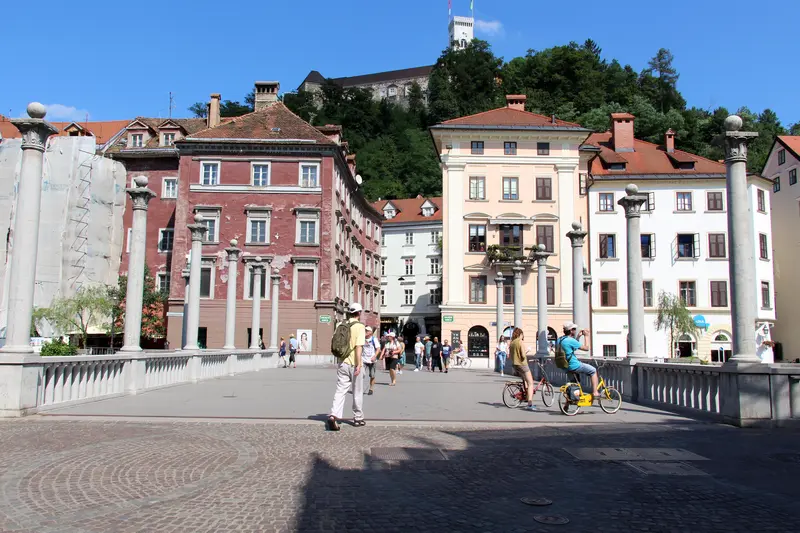
Fine Dining
Strelec (Ljubljana Castle)
$$$$Grajska planota 1
Fine dining inside the castle complex, with a menu that leans into Slovenian ingredients and the drama of the setting. Ideal for proposals, anniversaries, and “one special dinner” nights.

Love Ljubljana
From castle fine dining to riverside classics
Ljubljana’s food scene is quietly excellent: traditional gostilnas, modern Slovenian cooking, and riverside restaurants where you can take your time. Use this list as a starting point, then explore by neighborhood.
Most of these places sit inside Ljubljana’s walkable core, with two standout options up on Castle Hill.
Fine DiningGrajska planota 1
Fine dining inside the castle complex, with a menu that leans into Slovenian ingredients and the drama of the setting. Ideal for proposals, anniversaries, and “one special dinner” nights.
 Modern Slovenian
Šmartinska cesta 55
A polished, grown-up dining room just east of the old centre, with a Michelin-listed kitchen that leans Mediterranean while keeping a foot in Slovenian tradition. A great pick if you want a refined dinner without the castle setting.
 Seasonal + Local
Jurčičev trg 1
Boutique riverside dining in a historic setting with an intimate atmosphere and a menu built around seasonal Slovenian produce and thoughtful pairings.
Traditional SlovenianGrajska planota 1
A classic “Slovenian heritage” approach on Castle Hill—welcoming, traditional, and great for a long lunch after viewpoints. Strong choice when you want local dishes with a castle backdrop.
Mediterranean-leaningStari trg 7
A stylish Old Town restaurant in a historic townhouse—excellent for a slower dinner with Mediterranean-leaning flavors and a strong wine mood.
Seafood + WinePetkovškovo nabrežje 21
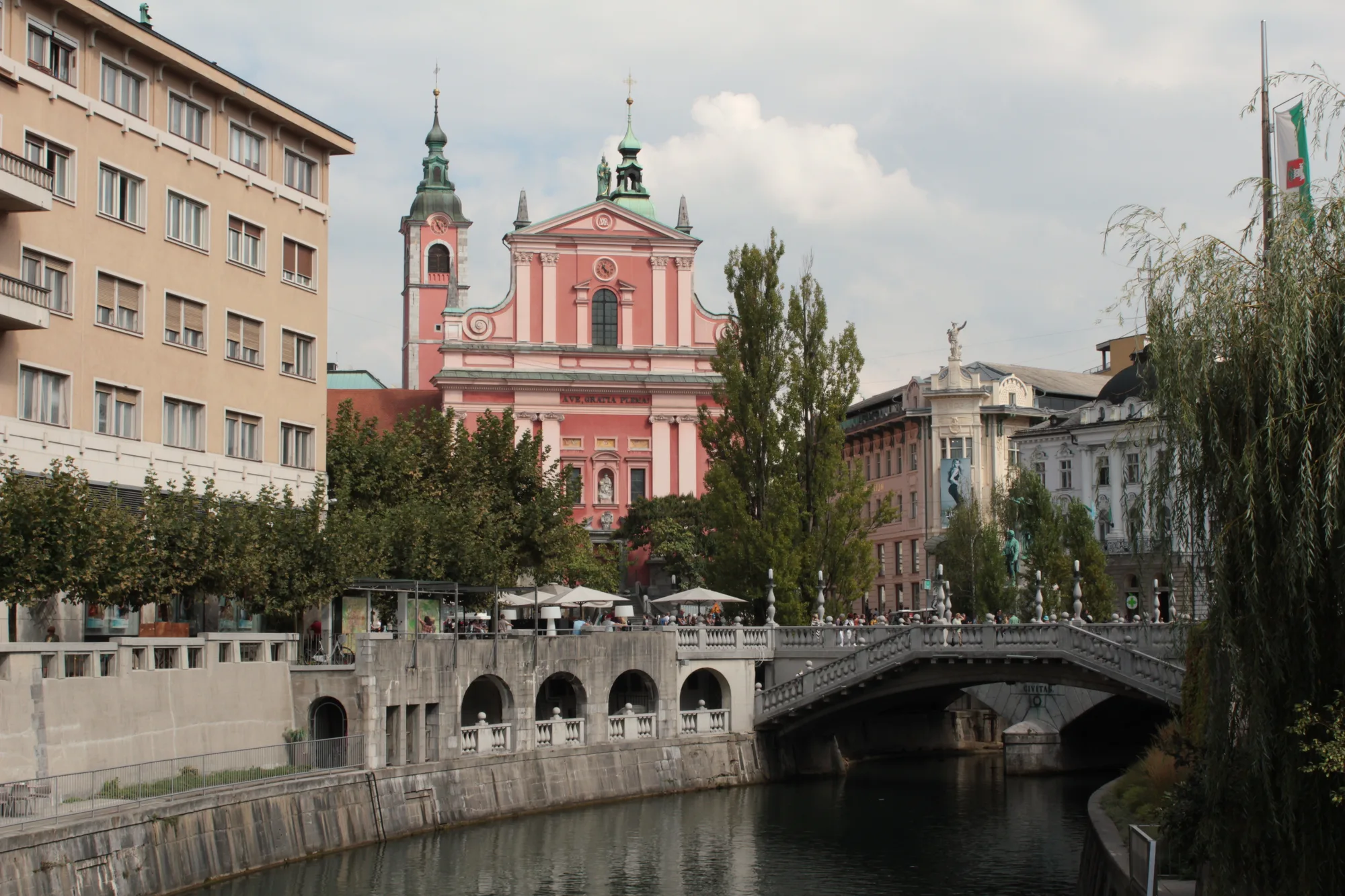
Riverside tables by Butchers’ Bridge with a menu that balances Slovenian roots and Mediterranean influence—great for seafood nights and long “river light” evenings.
 Modern Classics
Stari trg 9
A reliable Old Town favorite for calm, classic dining. Good for a “no-stress” reservation when you want a proper sit-down meal after a day of walking.
 Traditional Gostilna
Ciril-Metodov trg 18
A lively, theatrical gostilna experience in the center. Great when you want traditional dishes in a setting that feels like a folklore postcard (and don’t mind a bit of buzz).
Slovenian ClassicsStari trg 21
A small Old Town restaurant focused on traditional Slovenian food, with a social mission and a warm, straightforward dining-room feel. A meaningful place to plan into your trip.
Awards change over time, but the 2024 Slovenia selection is a useful snapshot when you want “the special meal” with higher confidence. A restaurant’s own page is the easiest place to confirm its current status and book a table.
See the official Ljubljana Tourism summary of the 2024 Michelin Guide Slovenia results for the full context.
Ljubljana Tourism: Michelin 2024 ↗For the most accurate hours and reservation options, use the official pages below—especially in peak season and on weekends.
For castle dining and popular Old Town tables, book ahead—especially for weekend dinners and sunset slots. Many places have lighter hours on Sundays.
$ = Under ~€20 per person
$$ = ~€20–40
$$$ = ~€40–80
$$$$ = €80+
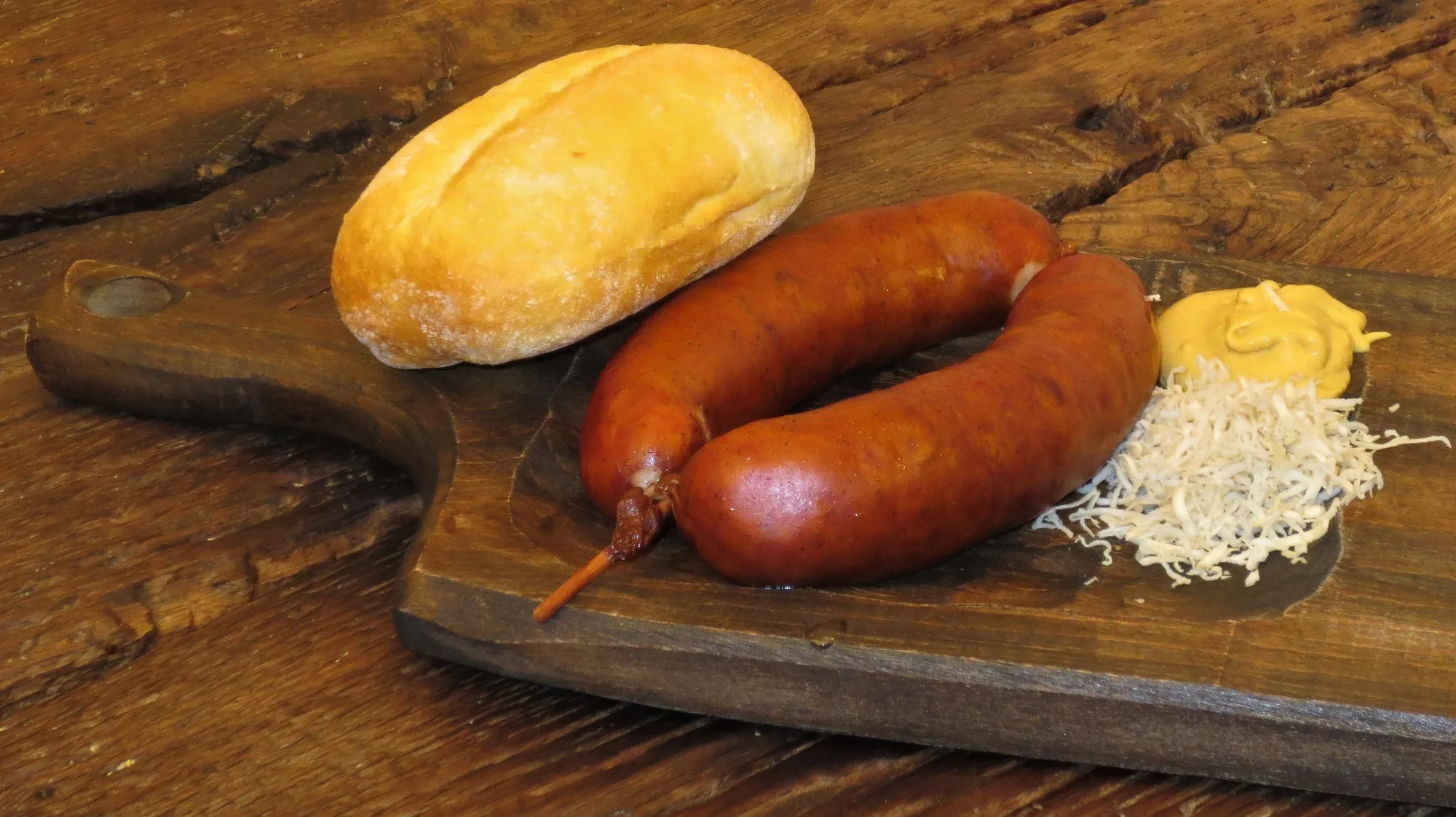
Look for Slovenian classics like kranjska klobasa (Carniolan sausage), štruklji (rolled dumplings), seasonal soups and stews, and cakes that pair perfectly with coffee.
Lunch is typically early afternoon, dinner starts around 18:00–20:00. Kitchens can close earlier than you’d expect, so aim for a first seating if you’re hungry.
For a small capital, Ljubljana punches well above its weight at the table, and the reason is geography. Slovenia sits at a culinary crossroads where Alpine, Mediterranean, and Central European traditions meet, so a single dinner can move from Adriatic seafood to Alpine dumplings to a Pannonian stew without ever leaving the country’s repertoire. That mix is the city’s real signature: you are not eating one regional cuisine but a compact tour of an entire country’s landscapes, all within a few hundred metres of the river.
The easiest way to organise your eating is by setting rather than by star rating. Broadly, you will choose between the gostilna (a traditional, often family-run restaurant serving hearty home-style Slovenian classics), the modern Slovenian restaurant (which takes those same local ingredients and treats them with contemporary technique), and the setting-driven spots where the view or the riverside terrace is as much the point as the plate. A well-balanced trip usually includes one of each.
Ljubljana also leans hard into seasonality and the market. The city was European Green Capital in 2016, and that farm-to-table instinct shows up on menus: chalkboards change with what the Central Market has that week, and the best kitchens are proud to tell you where the trout, the cheese, or the asparagus came from. If you want to read the city through its food first, start at the market and the cuisine guide before you book a single table.
The two most memorable dining locations in Ljubljana are also the two most different. Up on Castle Hill, the restaurants inside the castle complex trade on the view and the occasion: you ride the funicular up, eat with the city spread out below, and turn dinner into the evening’s main event. It is the natural choice for a proposal, an anniversary, or simply the one splurge meal of the trip. Pair it with a late-afternoon visit so you can walk the free ramparts and catch golden hour before you sit down. See the dedicated Ljubljana Castle guide for how to get up and time it.
Down in the centre, the riverside terraces along the Ljubljanica offer a completely different pleasure: less panorama, more atmosphere. You are at water level among the bridges, the willow trees, and the steady drift of strollers and cyclists, which makes for the city’s most romantic low-effort dinner. These tables fill fastest on warm weekends and at sunset, so they reward booking ahead or showing up at the first seating.
A simple strategy that works for most couples and first-timers: do the castle once for the occasion, and keep the riverside for an unhurried, walk-up dinner you can repeat. Both pair perfectly with a post-dinner bridge loop, which is Ljubljana’s unofficial digestive ritual.
If you only have a few meals, build them around genuinely Slovenian dishes rather than defaulting to the international menu. These are evergreen classics you will find done well across the city, especially in gostilna-style kitchens:
For drinks, lean local. Slovenia is a serious wine country with three main regions — Primorska (including Vipava and Brda near the Italian border), Podravje (Štajerska/Styria), and Posavje — and ordering a glass by region is a great way to taste your way through the country. The orange (skin-contact) and sparkling traditions are particularly strong. A good waiter will happily steer you. Our Slovenian cuisine guide goes deeper on dishes and food culture, and the wine bar guide is the place to start for tastings.
Ljubljana is relaxed, but a little planning goes a long way at the busy end. For castle restaurants, popular riverside terraces, weekend dinners, and any special-occasion meal, book ahead. Most places take reservations by phone, email, or their website, and the best tables — riverside, by a window, on the terrace at sunset — are exactly the ones that go first. For casual gostilnas and lunch, walk-ins are usually fine, especially before the evening rush.
Mind the rhythm of the week. A number of kitchens close on Sundays or Mondays, and some shut between lunch and dinner, so check hours rather than assuming everything runs continuously. The daily set lunch (kosilo) is one of the best deals in the city — a no-fuss two- or three-course menu at a fraction of evening prices — and it is a smart way to sample a kitchen you are curious about without committing to a full dinner. If Open Kitchen (Odprta kuhna) is running on a Friday during your visit, treat it as a moveable feast and graze across stalls instead of booking a sit-down lunch.
On the bill: tipping is appreciated but not obligatory. Rounding up or leaving roughly 5–10% for good table service is normal and generous. Tap water is not always offered automatically, so ask if you would prefer it to bottled. As a rough guide, mains run about €20–40 and a fine-dining tasting menu starts around €80 per person; hours, menus, and prices drift with the season, so treat those figures as a friendly starting point. For more on costs, see is Ljubljana expensive and tipping in Ljubljana.
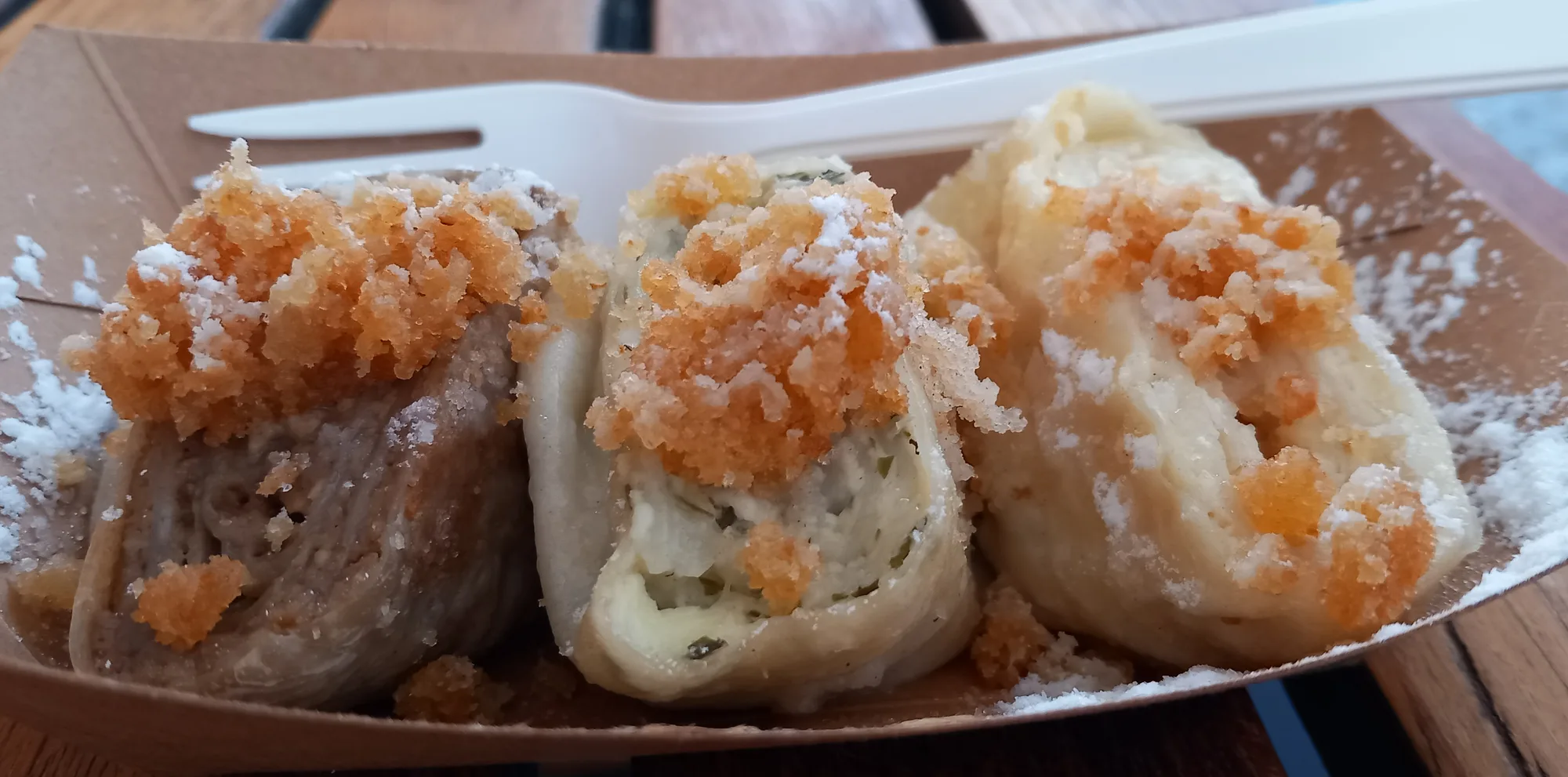
Traditional Slovenian cooking is meat-forward, but Ljubljana is an easy city for other diets. Vegetarians will find dedicated menus and plenty of cross-over dishes — štruklji, žganci, mushroom and buckwheat plates, market salads, and the Mediterranean-leaning kitchens all help. Vegan and gluten-free options have grown a lot in the centre, and the city’s strong café and bakery culture means a sweet or savoury snack is never far away. Our vegetarian food guide goes into specifics.
Don’t overlook coffee and cake as part of the food story. Ljubljanans take their coffee seriously, and a slow riverside coffee or an afternoon slice of cake is a genuine local ritual rather than a tourist add-on. Building a pause into your day — a mid-morning coffee, an afternoon cake stop — also keeps you from arriving ravenous at a kitchen that has stopped serving. The cafés guide and brunch guide cover the daytime side.
Put together, a great Ljubljana food day looks something like this: a market browse and riverside coffee to start, a light lunch or a kosilo set menu, an afternoon cake stop, then a proper dinner — gostilna, modern Slovenian, or a riverside terrace — finished with a bar or a bridge walk. Spread your splurge across one memorable meal rather than every meal, and you will eat better for less.
Because the city is so compact, the right choice usually comes down to the mood of the evening rather than the distance between two places. A quick way to decide:
Whatever you choose, you are rarely more than a ten-minute walk from the next option, so it is easy to keep the evening flexible: start with a rooftop or wine-bar aperitif, sit down for the main event, and finish with a riverside nightcap. That walkability is the quiet luxury of dining in Ljubljana, and it is why so many visitors end up eating better here than they expected to.
For popular places and weekend dinners, reservations are a good idea—especially if you want a specific time or a riverside table. For casual spots, walk-ins are often fine earlier in the evening.
Try Slovenian classics (like kranjska klobasa and štruklji), seasonal market-driven dishes, and modern Slovenian menus that reinterpret local ingredients.
Tipping is appreciated but not mandatory. Many people round up or leave a small extra amount, especially for good service.
Yes—many restaurants offer vegetarian choices, and you’ll find a mix of modern menus and international spots that cater well to dietary preferences.
The Old Town and riverside core are the easiest areas for dining because you can combine dinner with a bridge loop and cafés. For a different vibe, look toward Metelkova or neighborhood spots.
Ljubljana is generally cheaper than Western European capitals but not a bargain destination. As a rough guide, a casual gostilna main often lands around €12–18, a mid-range dinner with a glass of wine around €25–40 per person, and a tasting menu at the top end well above that. A daily set lunch (kosilo) is the best-value way to try good kitchens. Treat all figures as approximate and check current menus.
Many kitchens serve lunch from around noon and dinner into the evening, but some close between services and a number of places shut on Sundays or Mondays. Kitchens can also stop taking orders earlier than the posted closing time, so if you are hungry, aim for a first dinner seating rather than arriving late, and confirm hours on the official page before a special meal.
Castle Hill is the obvious answer: the two restaurants in the castle complex pair Slovenian cooking with the best outlook over the city, ideal for a special occasion. Down in the centre, riverside terraces along the Ljubljanica give you water, bridges, and people-watching rather than a panorama. For a skyline rooftop drink before dinner, the Nebotičnik terrace is the classic move.
Yes. Some of the city’s most interesting cooking sits just outside the tourist core, in residential streets and neighbourhood gostilnas where locals eat. Wandering a few blocks off the river often means lower prices, easier tables, and a more relaxed room, while still being a short walk or bike ride from the centre.
Next reads Pair this page