Ljubljana Can Be Great Value—If You Travel the “Ljubljana Way”
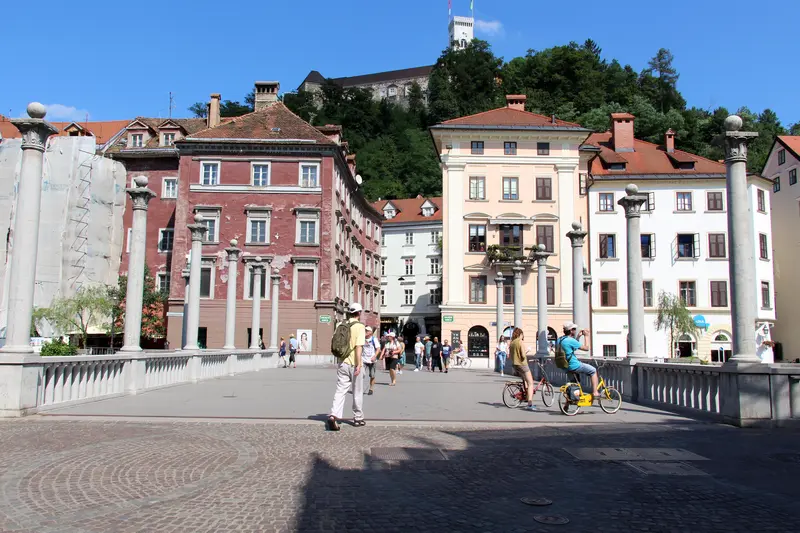
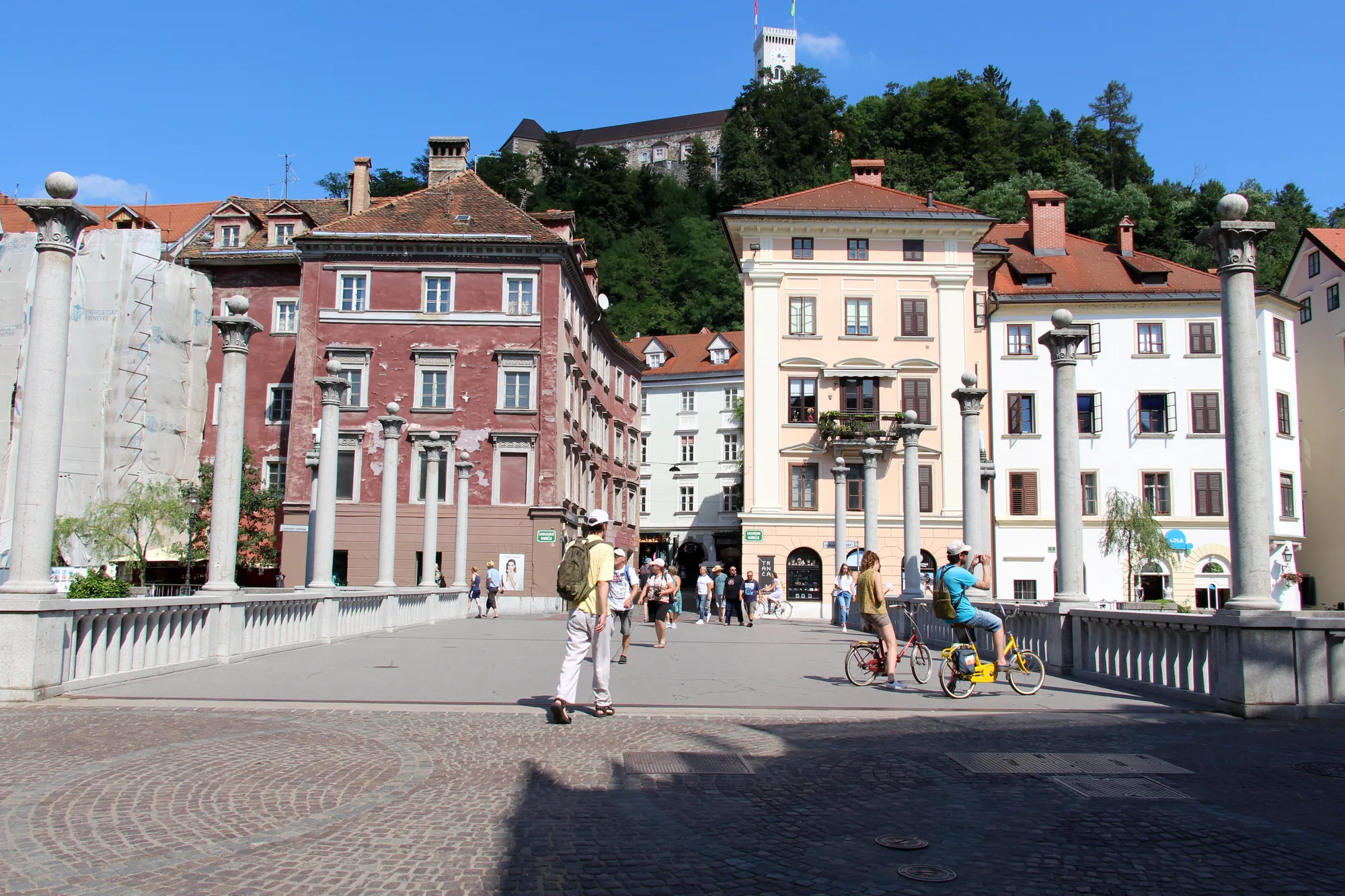
Ljubljana isn’t a city where you need to buy experiences all day. The river loop, bridges, parks, and café culture are the main event—and they’re either free or low-cost. That’s why many travelers find Ljubljana better value than bigger capitals.
The costs that can sneak up are mostly the predictable ones: accommodation in peak season, central dining every night, and overbooking paid attractions when the city is already giving you a lot for free.
What’s Affordable (High “Value per Hour”)
- • Walking the river loop and bridges (best “free activity”)
- • Tivoli Park and green space days
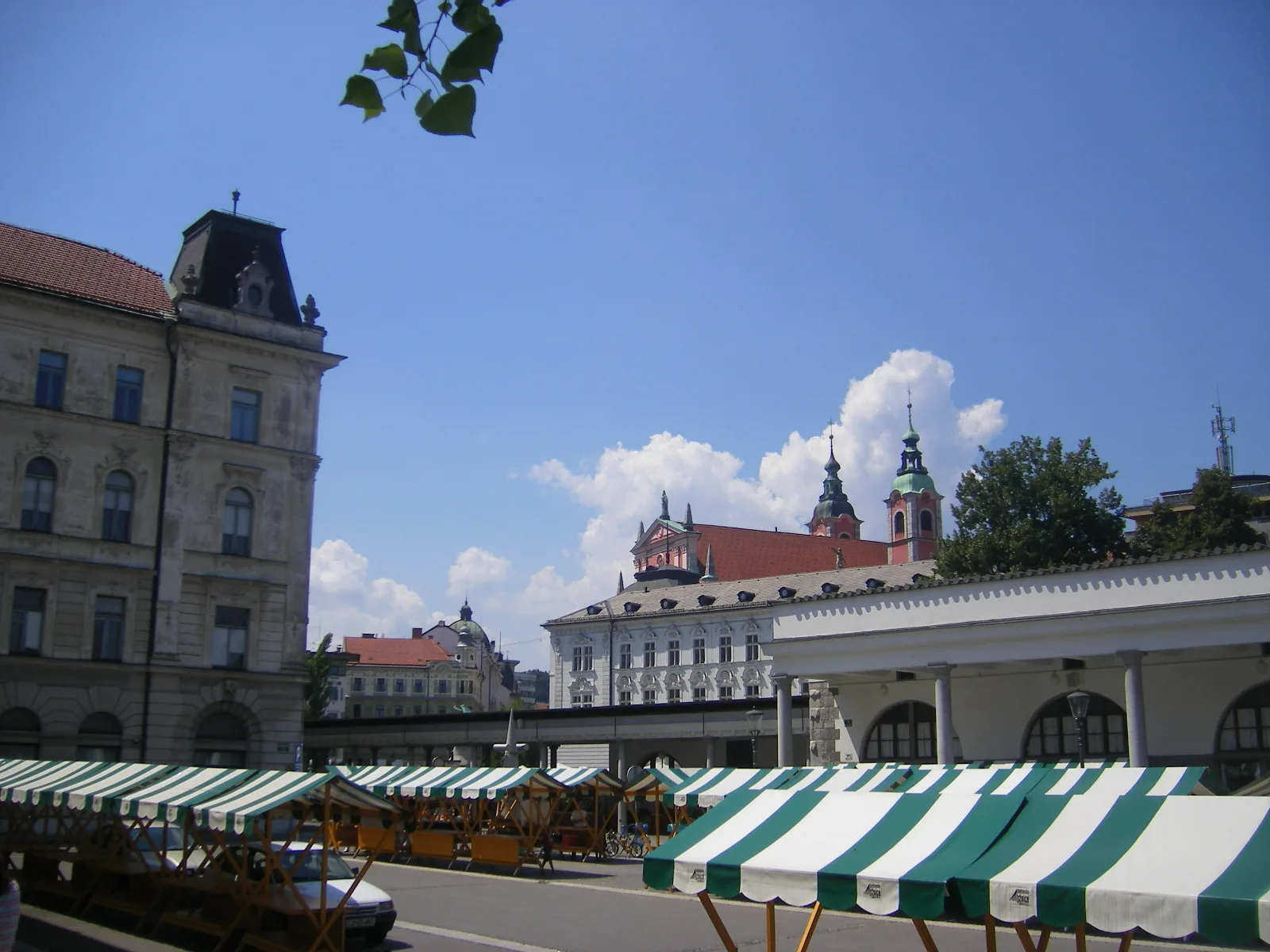
- • Market browsing and casual eating
- • Viewpoints that don’t require tickets (or minimal effort)
- • Museum days done in moderation (one or two, not five)
What Can Get Pricey
- • Peak-season accommodation in Old Town
- • Central dining every night (especially riverside “prime seats”)
- • Stacking multiple paid attractions in one day
- • Last-minute bookings on busy weekends
- • Over-optimizing day trips (tours + tickets + add-ons)
Rough Price Bands (What Things Actually Cost)
Numbers make a cost guide useful, so here are ballpark figures for the everyday things you’ll actually pay for. Slovenia is on the euro, and card payment is the norm. These are approximate and drift with season and setting — a riverside “prime seat” always costs more than a table one street back — so treat them as a starting point and check current prices.
- • Coffee: an espresso is roughly €1.50–2 and a cappuccino about €2–3 (a little more at specialty roasters). Sitting down for a coffee is the local ritual and still a bargain by capital-city standards.
- • Casual lunch: a daily set lunch (kosilo) is the best-value meal in the city, and a casual gostilna main runs about €12–18. Building lunch from the Central Market is cheaper still.
- • Mid-range dinner: figure around €25–40 per person with a glass of wine; a fine-dining tasting menu starts around €80+. See the restaurants guide for the full range.
- • Attractions: the Ljubljana Castle adult ticket is about €15 and the funicular €6 return (a combined ticket around €19); many museums run from a few euros up to roughly €10. The grounds, bridges, and riverside cost nothing.
- • City transport: local buses use the reloadable Urbana card (about €2 for the card), with a single ride around €1.50 and free transfers for 90 minutes — though the walkable centre means you may barely use it.
- • Airport transfer: the airport is about 26 km out. Public bus line 28 is the cheapest way in, while a taxi or pre-booked private transfer costs considerably more for the convenience — the airport transfer guide compares the options.
The Cost-Smart Way to Plan a Trip
If you want Ljubljana to feel “worth it,” plan the trip around rhythm, not tickets: one view moment per day, one long café stop, one good dinner, and lots of walking.
- • Stay close enough to walk the center (transport savings + better vibe)
- • Use the market area for flexible, low-cost meals
- • Choose one paid highlight per day max
- • Do day trips early (less stress, fewer “last-minute” costs)
The best value move: arrive with a walkable base, then spend your money on the things that feel like “Ljubljana” (a beautiful meal, a rooftop moment, a river cruise) rather than logistics.
How Ljubljana Compares to Other Capitals
For many visitors, the honest verdict is that Ljubljana sits in a comfortable middle ground: noticeably better value than Western European heavyweights like Vienna, Venice, or Zurich, while not as cheap as it might have been a decade or two ago. Prices in the most central, tourist-facing spots have crept up with the city’s popularity, but step one street back from the prime riverside and the cost of a coffee, a lunch, or a glass of wine drops quickly.
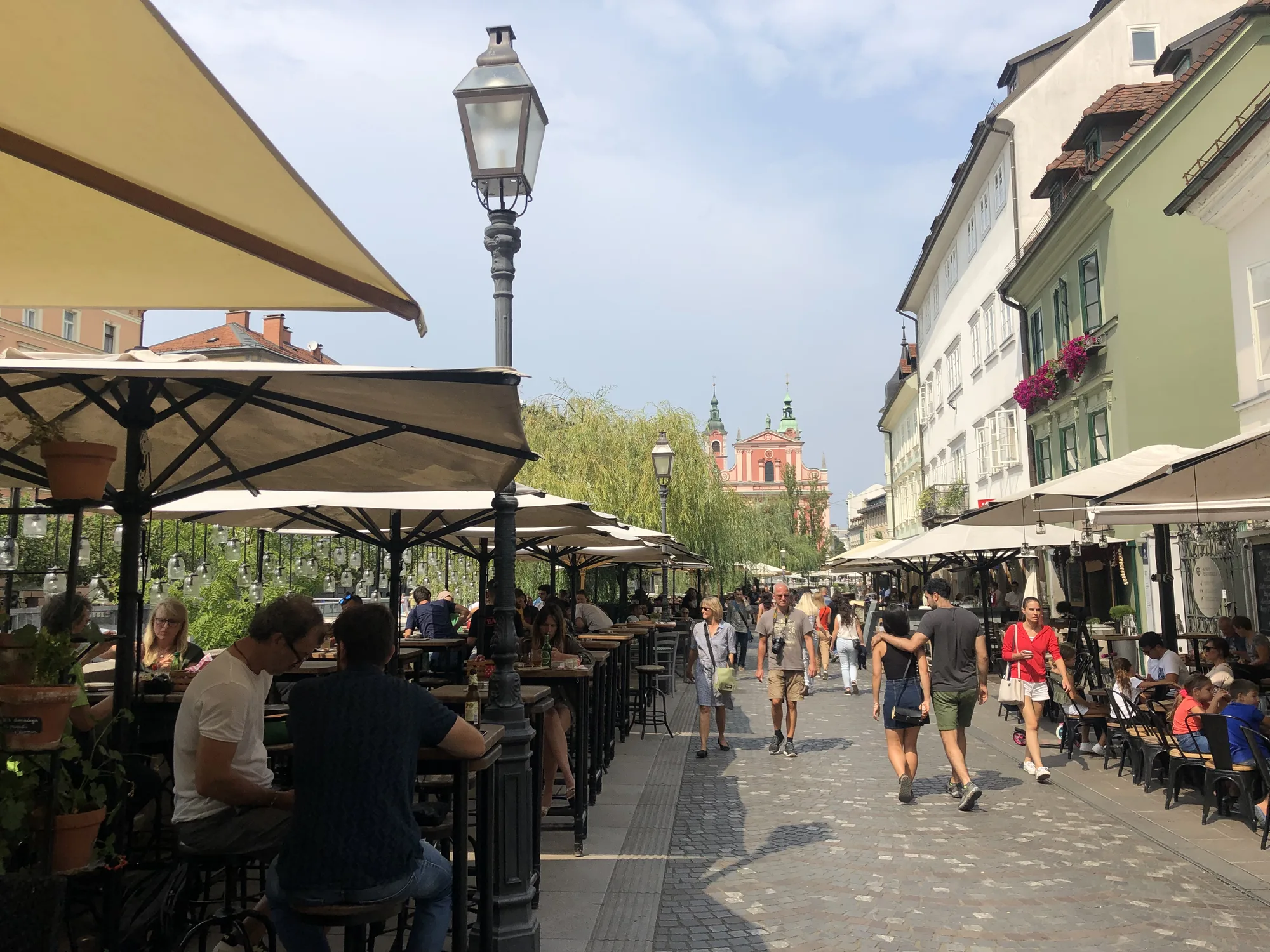
What really sets Ljubljana apart on value is the structure of a good day here. In a lot of capitals, the headline experiences cost money — the famous museum, the rooftop bar, the boat tour. In Ljubljana, the headline experience is the city itself: walking the river, crossing the bridges, browsing the Central Market, and the free castle grounds with their views. The paid extras are genuinely optional, which means you control your spending more than you might elsewhere.
Because Slovenia is on the euro, there’s no exchange-rate guesswork for eurozone travellers, and card payment is the norm almost everywhere. That predictability is part of why budgeting here feels easy: the variable cost is mostly your accommodation and how often you choose a “prime seat” dinner over a casual one.
Where the Budget Really Goes (and How to Steer It)
Think of a Ljubljana trip as three buckets: a fixed cost you mostly set before you arrive (accommodation), a flexible daily cost you control on the ground (food and drink), and a small optional layer (paid attractions and day trips). The single biggest lever is the first one — and the smartest move is also the simplest, because a central, walkable base saves you transport money and time while putting the best of the city on your doorstep.
On the food side, the trick isn’t to deny yourself but to be deliberate. Make one meal a day the “experience” meal — a relaxed riverside dinner or a special Slovenian lunch — and keep the others casual with market produce, a bakery, or a simple café. That way the splurge feels like a highlight rather than a habit, and the running total stays sensible. A picnic in Tivoli Park is a genuinely lovely budget meal, not a compromise.
For the optional layer, resist the urge to stack attractions. One paid highlight a day — the castle Watchtower, a museum, a river cruise — leaves room to actually enjoy it. If you’re doing several in a tight window, run the numbers on a city card; if your trip is mostly walking and viewpoints, you’ll likely spend less by paying as you go. See the full budget guide for a day-by-day approach.
Ljubljana Costs FAQs
Is Ljubljana expensive to visit?
Ljubljana is often good value compared to many Western European capitals, but costs can rise in peak season and in the most central areas. The city is easy to enjoy on a moderate budget because so many highlights are walkable and low-cost.
What’s the biggest cost in Ljubljana?
Accommodation is usually the biggest variable, especially in summer and around major events. Food and transport can be very manageable if you stay walkable and keep plans simple.
Is Ljubljana cheaper than Vienna or Venice?
Often yes, but it depends on season and your travel style. Ljubljana’s advantage is that the “best day” in the city is mostly walking, cafés, and river atmosphere—so it’s easy to control spending.
How do you save money in Ljubljana without feeling like you’re doing “budget travel”?
Stay walkable, treat the river and parks as the main event, do one paid highlight, and keep meals flexible around the market area.
Is the Ljubljana Card worth it?
It depends on how many included attractions you’ll actually use. If you plan multiple museums/attractions in a short time window, it can be good value. If your trip is mostly walking, cafés, and viewpoints, you may not need it.
Is Ljubljana expensive for food and drink?
Eating out is generally reasonable, especially away from the prime riverside terraces. A coffee, a bakery snack, or a casual lunch around the market area stays affordable, while a riverside dinner with a view is where you pay a premium for the setting. Tap water is safe and free, which keeps everyday costs down.
Do you need a lot of cash in Ljubljana?
Card payments are widely accepted across restaurants, shops, and attractions, and Slovenia uses the euro, so there’s no currency exchange to budget for if you’re coming from the eurozone. It’s still handy to carry a little cash for small market purchases, rounding up a bill, or the occasional spot that prefers it.
What’s the cheapest time of year to visit Ljubljana?
Accommodation tends to be lower outside the summer peak and the busiest festive weeks. Late autumn, winter (outside the holidays), and early spring usually offer better room rates, and the free, walkable core of the city — the river, bridges, and parks — costs the same in any season.
Next reads Pair this page