Start With the Market
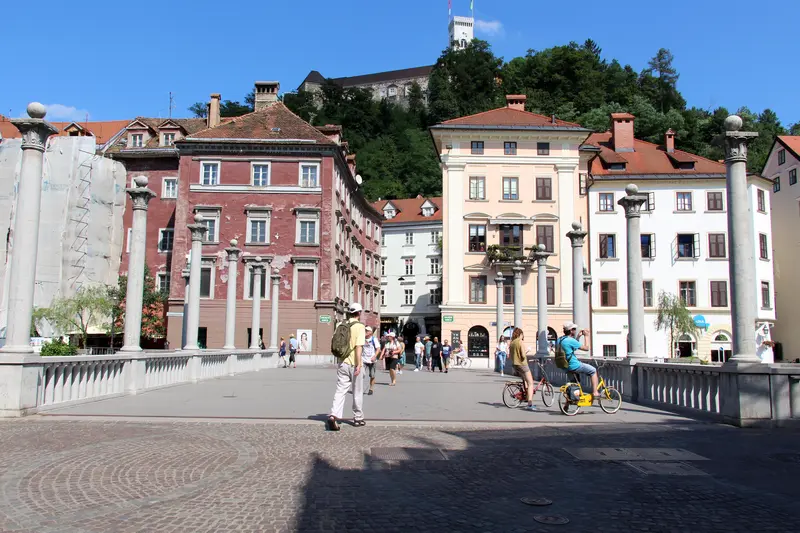
If you want to understand Ljubljana’s food culture quickly, begin at the Central Market. Even a short browse teaches you what’s in season, what locals actually buy, and what flavors define the region right now.
Pair it with a riverside coffee and you’ve already built a perfect “first morning” itinerary. The market spans an open-air produce square, a covered section, and a fish hall, and it runs most days except Sundays — though hours and stalls vary with the season, so the morning is your best bet for the fullest selection.
Graze as you go: sample a cheese, buy a piece of fruit, pick up a pastry, and watch what locals load into their baskets. It is the single fastest way to read the city’s food culture, and it costs almost nothing. Because the colonnade was designed by the architect Jože Plečnik, the setting itself — stone arches arcing along the Ljubljanica — is half the experience.
Open Kitchen (Odprta Kuhna)
If your visit overlaps with Open Kitchen, use it as a tasting tour: grab small portions from a few stalls, share everything, then finish with dessert by the river. It’s one of the most “Ljubljana” food experiences—casual, high quality, and social.
Open Kitchen gathers many of the region’s restaurants and food producers into one open-air square, usually on Fridays in the warmer months. The format is its genius: dozens of stalls, small plates, and the freedom to taste your way across cuisines — a Slovenian classic here, a Mediterranean bite there, a craft beer or glass of local wine to wash it down — without committing to a single restaurant. Come hungry, share everything, and finish with a sweet stall.
Schedules can change with the season and weather, so treat the official pages as the source of truth for dates and locations. It does not run in deep winter, and an occasional wet Friday can cancel it, so check before you build a meal plan around it.
Taste Ljubljana (Look for This Label)
Want a shortcut to “traditional but well done”? Look for the Taste Ljubljana project. It spotlights a set of classic Ljubljana dishes (often revived from older cookbooks and restaurant tradition) prepared by participating restaurants.
It’s a great strategy if you want something distinctly local without needing a deep food history primer first.
What to Try (Quick List)
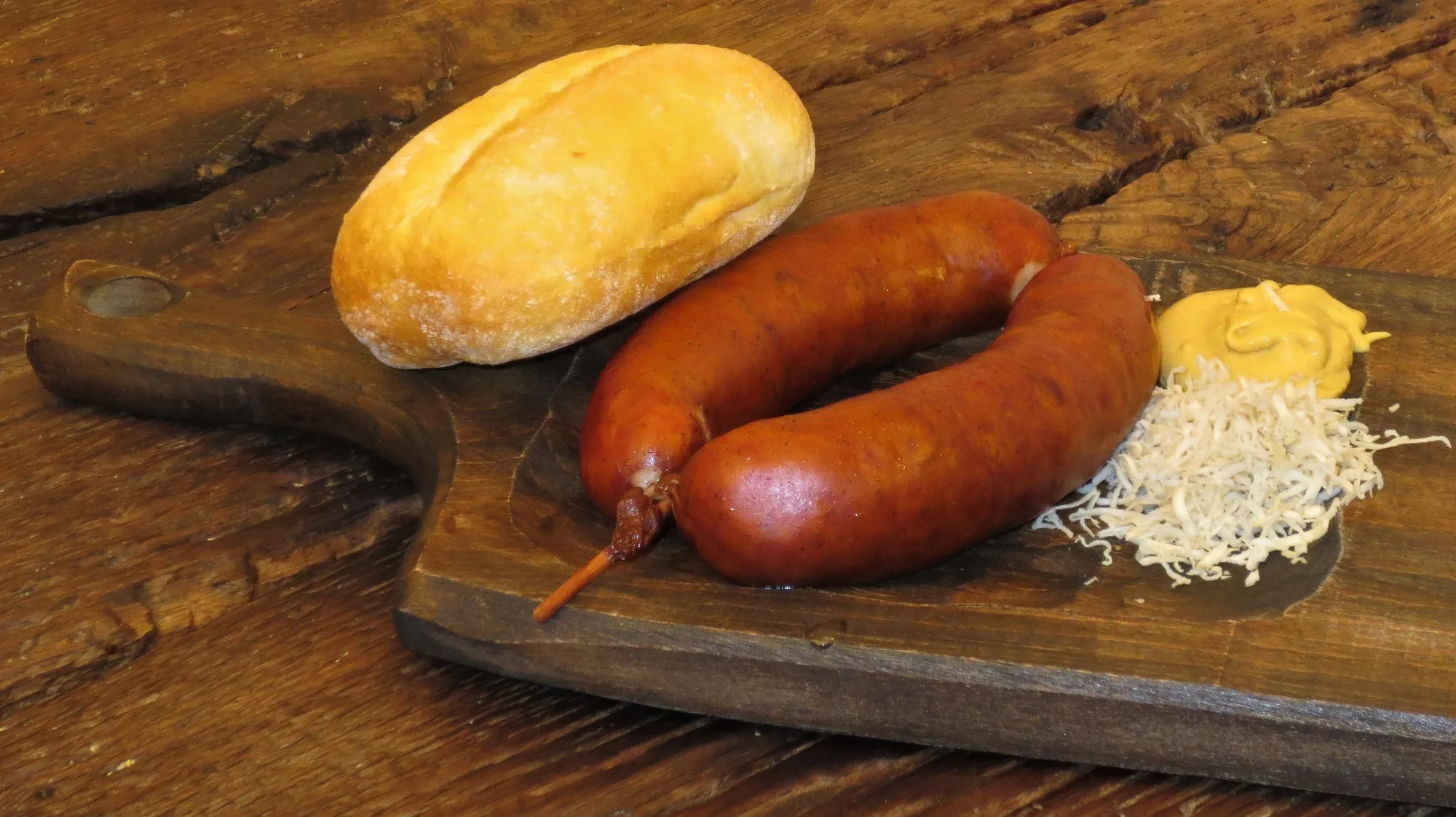
- • Kranjska klobasa: Carniolan sausage—simple, iconic, satisfying
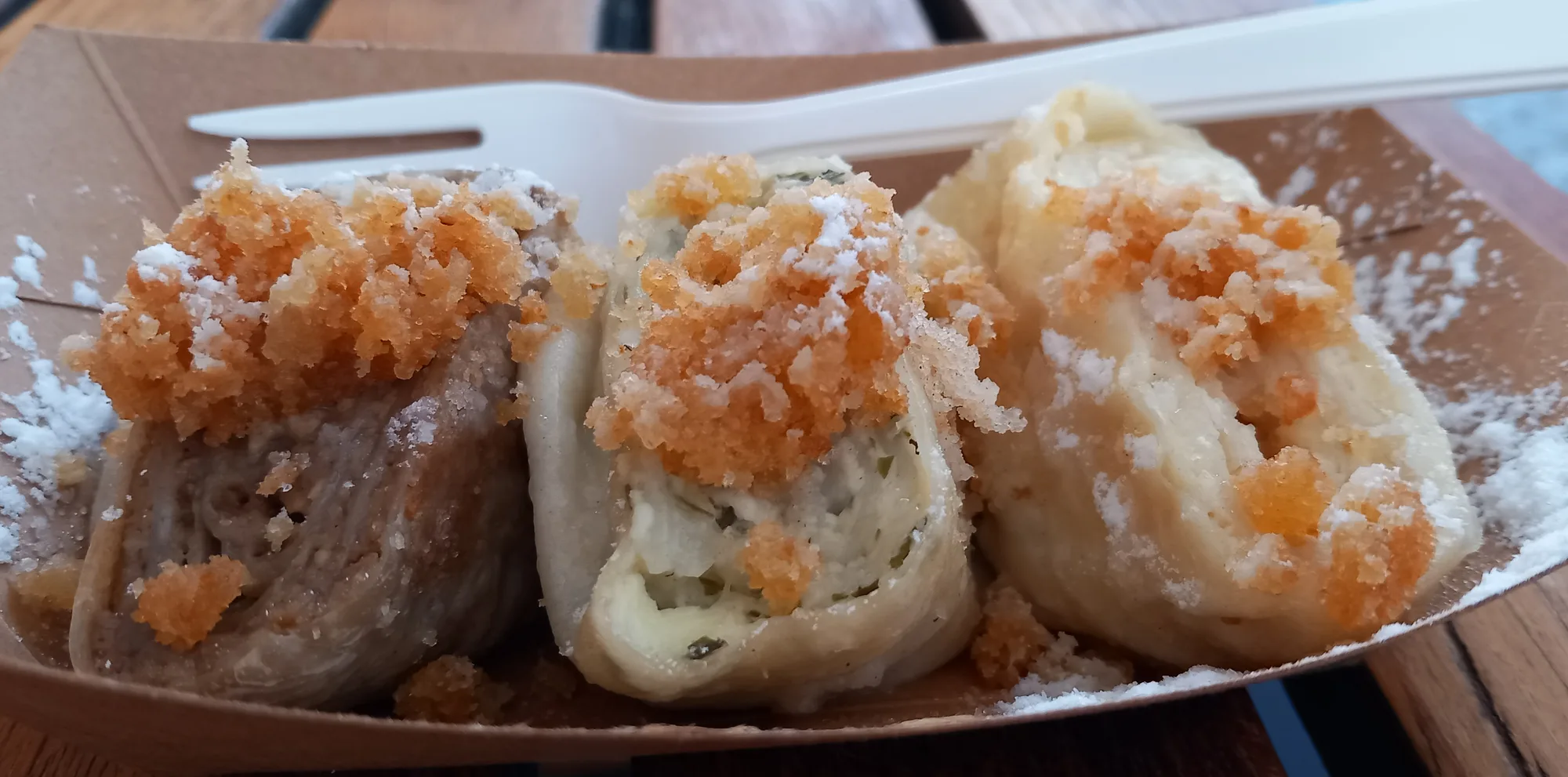
- • Štruklji: rolled dumplings (sweet or savory)
- • Jota: a hearty stew (great in cooler months)
- • Idrijski žlikrofi: filled dumplings (regional classic)
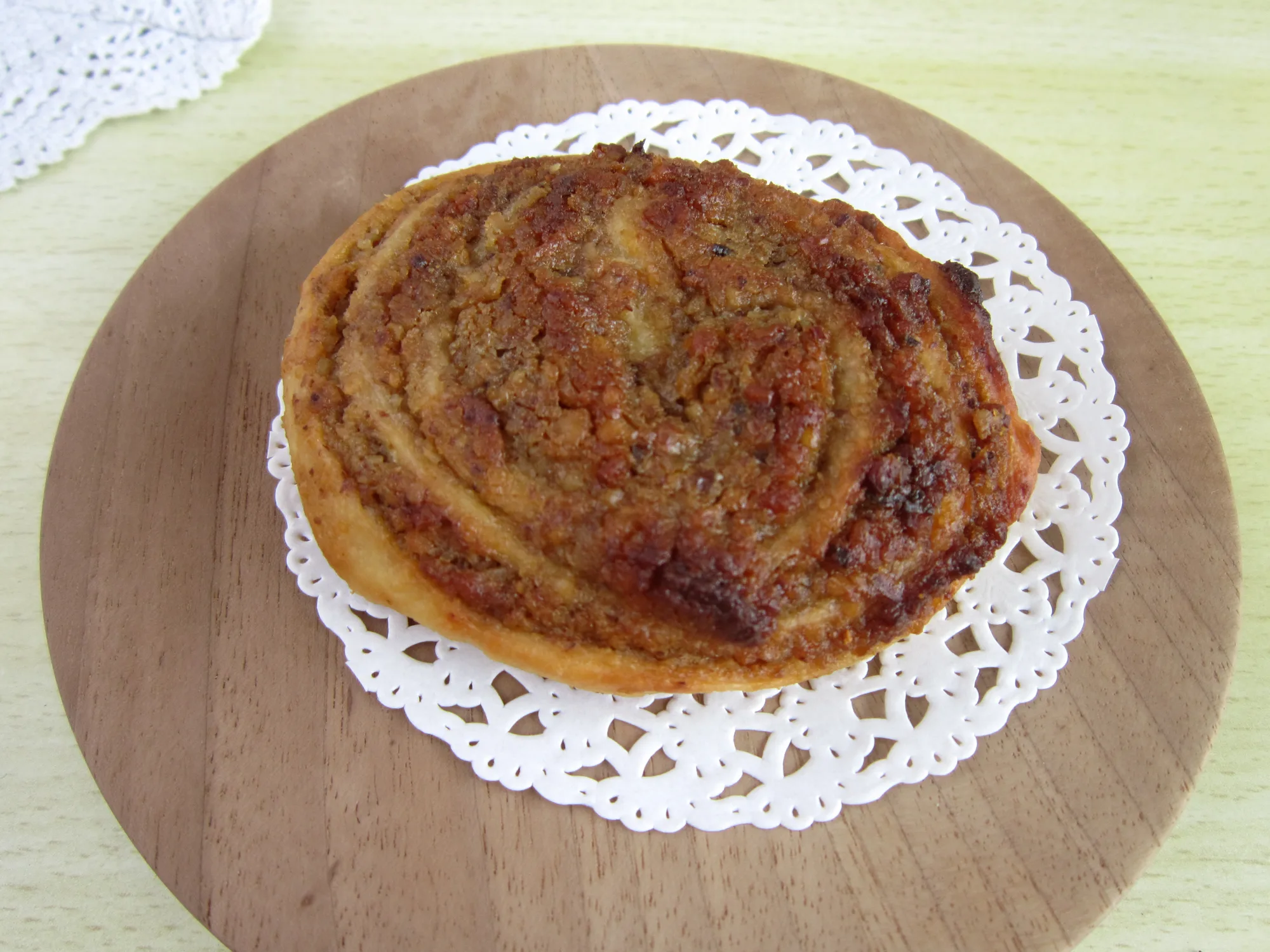
- • Potica / gibanica: classic Slovenian cakes for a coffee break
Why Slovenian Food Tastes Like a Whole Country
Slovenia is small, but its kitchen is unusually varied for its size, and understanding why makes everything you eat in Ljubljana more interesting. The country sits at a true culinary crossroads, where the Alps, the Mediterranean, and the Pannonian plain all meet. That means a single Ljubljana menu can pull from Alpine dairy and dumplings in the north, Adriatic seafood and olive oil from the short but real coastline, hearty cured meats and stews from the rugged interior, and Hungarian-influenced layered pastries from the flat east.
Slovenes themselves talk about more than twenty traditional gastronomic regions, each with its own signature dishes — Idrija with its žlikrofi, Prekmurje with its gibanica, the Karst with its air-dried pršut ham, the coast with its seafood and Refošk wine. You do not need to memorise the map. The useful takeaway is that eating in Ljubljana is effectively a compact tour of the whole country: the capital draws ingredients and recipes inward from every corner, so you can sample the highlands and the seaside in the same afternoon.
The thread running through all of it is seasonality and a deep respect for the source. Ljubljana was named European Green Capital in 2016, and that ethos is visible on the plate: short supply chains, market-led menus, and chefs who are proud to name the farm behind the trout or the valley behind the cheese.
The Dishes Worth Knowing
Beyond the quick list above, a little background helps you order with confidence. Here is the context behind the classics you will keep seeing:
- • Kranjska klobasa (Carniolan sausage): Slovenia’s most famous sausage, with protected status — traditionally pork, lightly smoked, simple and superb with mustard and bread.
- • Štruklji: rolled dough dumplings with dozens of fillings. Savoury cottage-cheese štruklji can be a side or a light main; sweet walnut or tarragon versions cross into dessert.
- • Idrijski žlikrofi: small potato-filled dumplings from the mining town of Idrija, a recognised heritage dish and a Slovenian answer to ravioli.
- • Jota: a thick, warming stew of beans with sauerkraut or sour turnip and potato — peasant food in the best sense, perfect on a cold day.
- • Žganci: a rustic “spoonbread” of buckwheat (or corn) — humble, filling comfort food often served with cracklings or milk.
- • Ričet: a hearty barley-and-bean stew, another cold-weather staple.
- • Potica: the rolled nut cake locals bake for holidays; walnut is the classic, but tarragon, poppy seed, and others exist.
- • Prekmurska gibanica: a dense layered pastry of poppy seed, walnut, apple, and cottage cheese from the eastern Prekmurje region — the country’s signature dessert.
If a dish is unfamiliar, ask — Ljubljana waiters are generally happy to explain, and the gostilnas in particular take pride in the story behind their plates. For a ready-made dinner shortlist, our best restaurants guide pairs these dishes with specific settings.
Drink Local: Wine, Coffee & More
Slovenia is a genuine wine country, and ordering local is half the fun. There are three main regions: Primorska in the west (including the much-loved Vipava Valley and Brda near the Italian border, plus the coastal Karst), Podravje in the northeast (Štajerska, or Styria, known for crisp whites), and Posavje in the southeast. Slovenia also has a celebrated tradition of orange (skin-contact) wines and a strong sparkling scene. A simple, rewarding approach in any wine bar is to ask for a glass from a different region each round and let the staff guide you. Our wine bar guide is the place to start.
Beyond wine, look for local craft beer, fruit brandies (the catch-all is žganje), and herbal liqueurs. And do not underestimate coffee: Ljubljanans treat the slow riverside coffee as a daily ritual, not a quick caffeine stop. An afternoon coffee with a slice of cake — potica, gibanica, kremšnita, or strudel — is one of the most pleasant and authentically local things you can do here.
For where to linger, the cafés guide and bars guide cover the daytime and evening sides of the city’s drinking culture.
Where to Eat (Easy Strategy)
1) One traditional meal: choose a gostilna-style restaurant for classic dishes and a warm atmosphere.
2) One modern meal: try a contemporary Slovenian restaurant that uses local ingredients with a more modern approach.
3) One “food event” meal: when Open Kitchen is on, use it as a tasting tour.
A Simple Food Day Plan
- 1. Market browse + coffee by the river
- 2. Light lunch (or Open Kitchen if available)
- 3. Afternoon cake stop in the center
- 4. Dinner at a traditional gostilna or a modern Slovenian restaurant
- 5. Post-dinner bridge walk (Ljubljana’s best “digestive” ritual)
Gostilna vs Modern Slovenian: Knowing the Difference
Two words will shape almost every dinner decision you make here. A gostilna is the traditional, often family-run inn or restaurant: think honest portions of classic dishes, a warm and unpretentious dining room, house wine in a carafe, and recipes that have not changed much in decades. It is the place for kranjska klobasa, jota, žganci, and roast meats — the food locals grew up on. A gostilna is rarely about fine presentation; it is about generosity, comfort, and a sense of place.
Modern Slovenian cooking takes those same local ingredients — market vegetables, Alpine cheeses, river trout, Karst ham — and treats them with contemporary technique, lighter plating, and thoughtful wine pairings. Slovenia has earned serious international recognition in recent years, and several Ljubljana kitchens reflect that ambition. This is where you go for the “special meal,” the tasting menu, and the cooking that surprises you.
Neither is better — they are different experiences, and the smart move is to try both. One gostilna meal grounds you in the tradition; one modern Slovenian dinner shows you where the cuisine is heading. Bookend them with a market morning and an Open Kitchen graze, and you will have understood Ljubljana’s food in a single short trip.
The Central Market & Plečnik’s Riverside Arcades
No food guide to Ljubljana is complete without the Central Market, and it is worth knowing why it feels so special. The market’s riverside arcades and covered colonnade were designed by the architect Jože Plečnik, whose works across the city were inscribed on the UNESCO World Heritage List in 2021. So when you browse the stalls along the Ljubljanica, you are shopping inside one of Ljubljana’s great pieces of architecture — fresh produce, cheeses, honey, breads, and seasonal specialities framed by elegant stone arches above the water.
Treat a market browse as your orientation to the whole cuisine. What is piled high tells you what is in season and what the city’s kitchens will be cooking that week. You can taste cheeses and honey, pick up fruit for a riverside snack, and watch what locals actually buy. There is a covered section and a fish hall, and the surrounding squares host food events through the year. It pairs naturally with a coffee on the embankment and a stroll across the nearby bridges.
For the full rundown of days, sections, and what to look for, see our Central Market guide, and read about the architect behind it in the Plečnik architecture guide.
Eating by the Season
Because Ljubljana’s kitchens follow the market, what is best to eat shifts noticeably through the year — and that is part of the pleasure of a food-focused visit. In spring, look for wild asparagus, young greens, and the first market herbs. Summer is terrace season: stone fruit, tomatoes, lighter Mediterranean-leaning plates, and the weekly Open Kitchen in full swing.
Autumn is arguably the most rewarding time for traditional food — game, pumpkin and pumpkin-seed oil, wild mushrooms, chestnuts, and the start of the new wine. It also overlaps with the harvest and wine-country day trips. Winter turns the city toward warm, soulful cooking: jota, ričet, sausages, sauerkraut, and the festive-December markets where you will find mulled wine and griddled treats along the river. If you are timing a food trip, our best time to visit guide lines the seasons up with festivals and weather.
The single most reliable food event is Open Kitchen (Odprta kuhna), the Friday open-air food market that runs in the warmer months — a brilliant low-effort tasting tour. Confirm the exact day and dates on the official schedule, since it is weather- and season-dependent, and see our which day is Open Kitchen note for the quick answer.
Practical Tips for Eating in Ljubljana
- • Try the set lunch. The daily kosilo is the best value in the city — a quick, cheap way to taste a kitchen that costs much more at dinner.
- • Book the special meals. Castle dining, riverside terraces, and weekend dinners fill up; casual gostilnas usually take walk-ins, especially early.
- • Mind closing days. Some kitchens shut on Sundays or Mondays, and many stop taking orders before the posted closing time.
- • Eat one of each. A balanced trip has one gostilna classic, one modern Slovenian meal, and one “food event” like Open Kitchen.
- • Tip lightly. Rounding up or 5–10% for good service is normal and appreciated, not expected.
- • Treat hours as a guide. Menus and event dates change seasonally, so a specific venue’s own page is the handiest place to double-check anything time-sensitive.
Ljubljana Food FAQs
What food should you try in Ljubljana?
Start with market-driven dishes and a few classics like kranjska klobasa and štruklji. If Open Kitchen is on during your visit, it’s a great low-effort tasting tour.
What is a gostilna in Slovenia?
A gostilna is a traditional, often family-run restaurant style—great for classic Slovenian dishes and a warm, local atmosphere.
Is Odprta kuhna (Open Kitchen) worth it?
Yes—it’s one of the easiest ways to sample many foods in one place. Check the official schedule because days and seasons can vary.
Where is the best area to eat in Ljubljana?
The Old Town and riverside core are the easiest areas to combine food with sightseeing—market, cafés, dinner, then a bridge walk.
Do you need reservations for restaurants in Ljubljana?
For popular places and weekend dinners, reservations are a good idea. For casual spots, walk-ins are often fine earlier in the evening.
What makes Slovenian food different from its neighbours?
Slovenia sits where the Alps, the Mediterranean, and the Pannonian plain meet, so its cuisine borrows from Italian, Austrian, Hungarian, and Balkan traditions while keeping a strong local identity. You will see Alpine dumplings and dairy, Adriatic seafood and olive oil from the coast, hearty stews and cured meats from the interior, and Hungarian-influenced layered pastries from the east — often within a single menu.
What desserts and cakes are typically Slovenian?
The two icons are potica, a rolled nut cake (walnut is the classic, but tarragon and other fillings exist), and prekmurska gibanica, a rich layered pastry of poppy seed, walnut, apple, and cottage cheese from the Prekmurje region. You will also find kremšnita (a cream-and-custard slice strongly associated with nearby Lake Bled) and plenty of strudel. Any of these pairs perfectly with the city’s serious coffee culture.
Is Slovenian wine worth trying in Ljubljana?
Very much so. Slovenia has three main wine regions — Primorska (including Vipava and Brda near Italy), Podravje (Štajerska/Styria), and Posavje — and a strong tradition of orange (skin-contact) and sparkling wines. Ordering a glass by region in a wine bar or restaurant is one of the easiest and most rewarding ways to taste the country.
Can vegetarians eat well in Ljubljana?
Yes. Traditional cooking is meat-forward, but many classics are naturally vegetarian or have meat-free versions — cottage-cheese štruklji, žganci, mushroom and buckwheat dishes, market salads — and the city has dedicated vegetarian and vegan spots plus Mediterranean-leaning kitchens. See our vegetarian food guide for specifics.
What food souvenirs can you bring home from Ljubljana?
Good edible souvenirs include bottled Slovenian wine, pumpkin seed oil from the east, honey and honey products (Slovenia has a strong beekeeping tradition), dried herbs and teas, salt from the Piran salt pans on the coast, and chocolate or potica from local producers. The Central Market and specialist shops are the easiest places to find them.
Next reads Pair this page