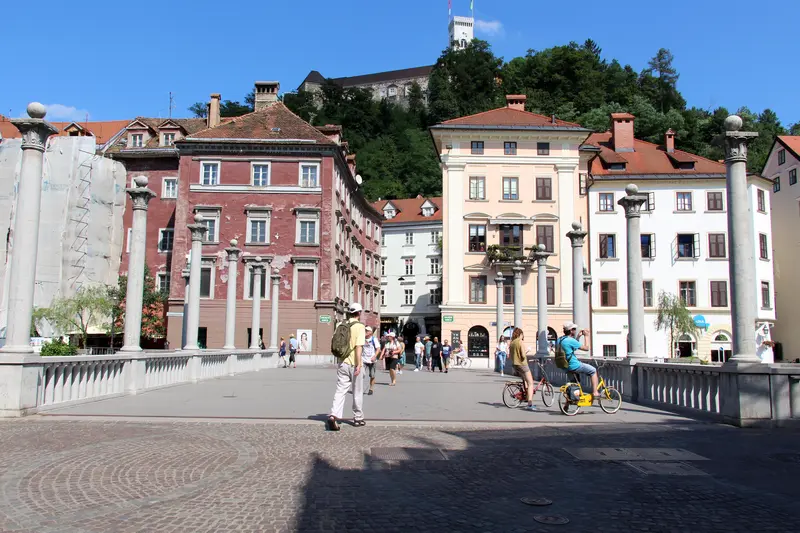
The Best “Local” Walk in Ljubljana
Ljubljana is famous for its walkable Old Town, bridges, and riverside cafés. The PST is different: it’s a ring of green space that shows how the city breathes on the edges.
The trail follows the line of Ljubljana’s WWII-era barbed-wire fence. Today, it’s a calm walking and cycling route—part history, part “nature reset,” and one of the best ways to see a quieter side of the city without leaving town.
The PST strategy that works for visitors
- • Don’t try to do all 33 km
- • Pick one easy segment
- • End at a park or café, then return to Old Town
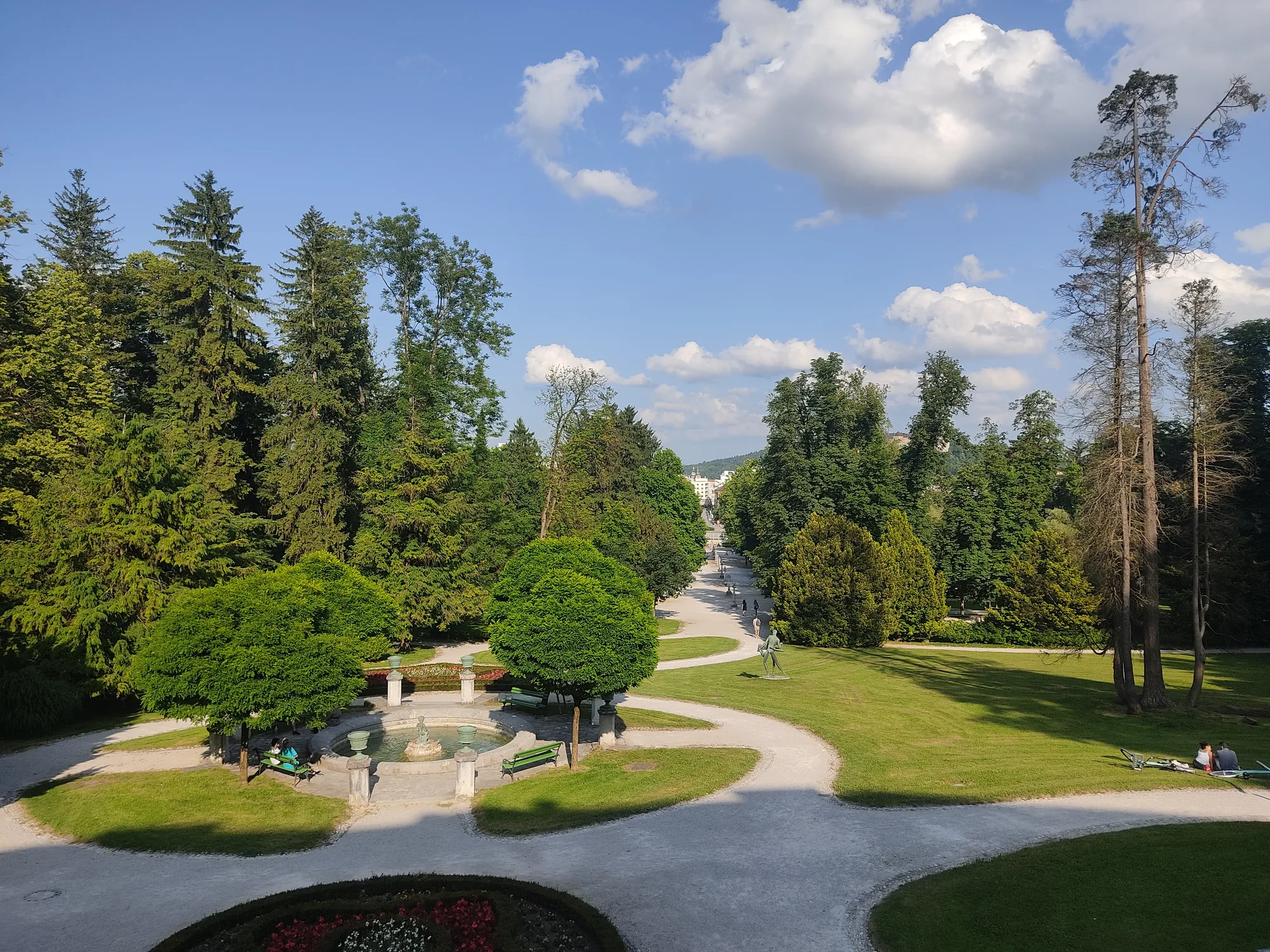
Map: PST-Friendly Segments
The PST is a full ring, but the best experience is a segment. These anchors are good starting points for a “walk a little, then relax” day.
Three Easy Ways to Do the PST
1) 60–90 Minute “Local Reset” Walk
Choose a segment close to the center, walk for an hour, then finish with coffee. This is the best option if you want “PST vibes” without turning the day into a long trek.
2) Bike a Segment (Low Effort, High Range)
Cycling a segment gives you more scenery without more planning. It’s a great add-on to a trip where your other days are mostly Old Town walks.
3) PST + River Day (Best Balance)
Do a short PST segment in the morning, then return to the river for the afternoon. Ljubljana feels best when you mix green space with water-and-streets.
What to Bring
- • Comfortable walking shoes
- • Water (especially in warmer months)
- • A light layer—shade and wind can change the feel quickly

PST Path FAQs
What is the PST path in Ljubljana?
PST stands for the Path of Remembrance and Comradeship: a ring trail around Ljubljana that follows the line of the WWII-era barbed-wire fence. Today it’s a green walking and cycling route.
How long is the PST in Ljubljana?
The full ring is about 33 km. Most visitors walk or bike a segment rather than doing the full loop in one go.
Is the PST good for biking?
Yes. It’s a popular local cycling route. For visitors, biking a short segment is a great way to see a quieter, greener side of the city without planning a full day trip.
What’s the easiest PST experience for tourists?
Pick a segment that starts close to the center, walk for 45–90 minutes, then end at a café or park. The best PST day feels simple, not athletic.
How do you combine the PST with a Ljubljana itinerary?
Use PST as your “local reset” day: do a short segment in the morning, then return to the river/Old Town for a slow afternoon and dinner.
What does PST stand for, and what’s the history?
PST is short for “Pot spominov in tovarištva”—the Path of Remembrance and Comradeship. It traces the line where, during the Second World War, occupying forces ringed Ljubljana with barbed wire and bunkers, sealing the city off. After the war the perimeter was turned into a green memorial trail, planted with trees and marked with memorials, so the ring of confinement became a ring of open, shared space.
Is the PST flat and easy to walk?
Most of the ring is flat, wide, and gravel- or path-surfaced, which is why it’s so popular with walkers, joggers, and cyclists. A few stretches pass through hillier, more wooded areas like Golovec, but you can choose a segment to match the effort you want. For a relaxed visitor walk, pick a flat central-edge section.
Is there an annual event on the PST?
Yes—each spring the city holds a mass recreational walk and march around the full ring to mark the anniversary of liberation. It’s a big local tradition. On a normal day, though, the path is simply a quiet green route you can join anywhere.
Official Links (Route + Context)
Use official pages if you want the full route context and background.
Next reads Pair this page